


| Application times for foliar treatments (◆ optimal, ◇ optional): | Direction for use: |
| ◆ Autumn: 3–6 leaves unfolded |
Foliar treatments – single dose 0.5 L/ha |
| ◆ Spring: tillering | |
| ◆ stem elongation | |
| ◇ flag leaf stage / beginning of heading |
OPTYSIL
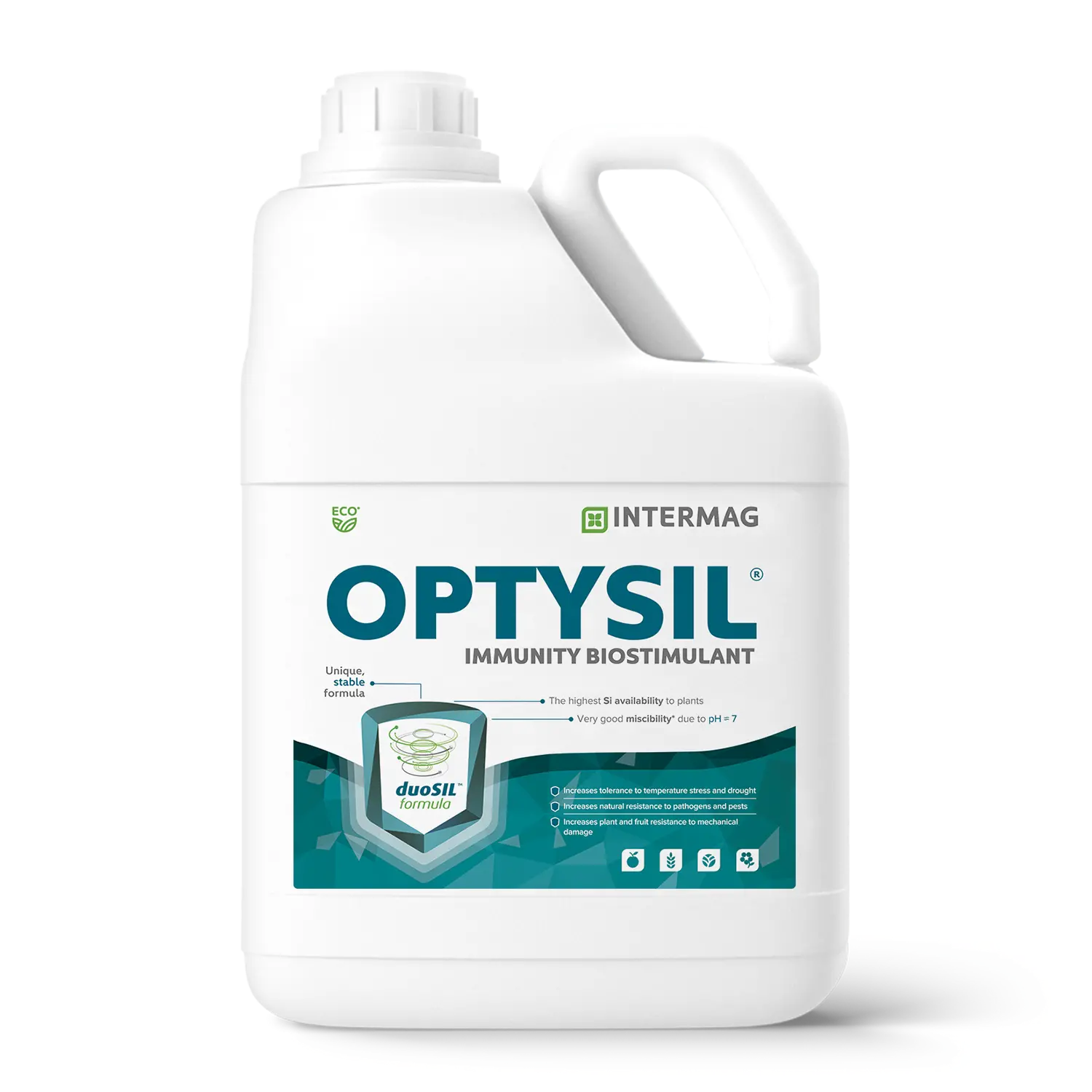
OPTYSIL® is an innovative silicon immunity biostimulant, containing active silicon form, which owes its effectiveness to unique formula duoSIL™
Order Inquiry
🌿 CERTIFIED ORGANIC
DESCRIPTION
OPTYSIL® is an innovative silicon immunity biostimulant, containing active silicon form, which owes its effectiveness to unique formula duoSIL™
|
|
|
|
|
OPTYSIL® owes its effectiveness to duoSIL® formula
|
duoSIL®
OPTYSIL® is an unique, liquid immunity biostimulant with high content (200 g SiO2/L) of active silicon form, easy plant available. Unique formula duoSil™ , used in OPTYSIL® ensures easy and full availability of silicon contained in product, high stability and possibility of mixing with the majority of agrochemicals. |
 |
|
|
|
Silicon is one of the major component of the Earth’s crust. In soil, the majority of silicon occurs in a form of silica, which is subjected to limited and slow weathering releasing low amounts of monosilicic acid – the only plant available form of silicon. Monosilic acid occurs in soil in low amounts and is very unstable. Plants can uptake it in very limited amount, therefore foliar application of silicon in a proper form is very important.
 |
OPTYSIL® is registered for use in organic agriculture in accordance with Regulation (EU) No. 2018/848. |
OPTYSIL® – APPLICATION
OPTYSIL® is recommended for use in the cultivation of all agricultural, fruit and vegetable crops in the form of foliar sprays, fertigation and irrigation

 |
Foliar treatments – general application times (◆ optimal, ◊ optional) |
- FOLIAR APPLICATIONS
OPTYSIL® is intended for foliar application in the form of an aqueous solution. OPTYSIL® can be used together with other agrochemicals after checking the compatibility.
Detailed recommendations for foliar application are presented in the table below. - FERTIGATION
Recommended solution: 500 mL of OPTYSIL® in 1000 L of ready-to-use nutrient solution. Use in a separate fertigation cycle or together with fertilizers after checking if suitable for mixing.
For field grown plants: use every 2 weeks.
For soilless farming: use several times during the plant growing season. - WATERING OF SEEDLING
Recommended solution: 0.1%, i.e. 100 mL OPTYSIL® in 100 L of water. Water the plants 2–4 times during the growing season.
Additional Information
| Application times for foliar treatments (◆ optimal, ◇ optional): | Direction for use: |
| ◆ leaf development – tillering | Foliar treatments – single dose 0.5 L/ha |
| ◆ stem elongation | |
| ◇ flag leaf stage / beginning of heading |
| Application times for foliar treatments (◆ optimal, ◇ optional): | Direction for use: |
| ◆ Autumn: 3–6 leaves unfolded | Foliar treatments – single dose 0.5 L/ha |
| ◆ Spring: continuation of tillering | |
| ◆ stem elongation | |
| ◇ flag leaf stage / beginning of heading |
| Application times for foliar treatments (◆ optimal, ◇ optional): | Direction for use: |
| ◆ leaf development – tillering | Foliar treatments – single dose 0.5 L/ha |
| ◆ stem elongation | |
| ◇ flag leaf stage / beginning of heading |
| Application times for foliar treatments (◆ optimal, ◇ optional): | Direction for use: |
| Autumn: ◇ leaf development – until beginning of tillering | Foliar treatments – single dose 0.5 L/ha |
| Spring: ◆ beginning of stem elongation | |
| ◆ flag leaf stage – until first awns visible | |
| ◇ end of flowering – until medium milk stage of grain ripening |
| Application times for foliar treatments (◆ optimal, ◇ optional): | Direction for use: |
| ◆ leaf development – until beginning of stem elongation | Foliar treatments – single dose 0.5 L/ha |
| ◆ flag leaf stage – until first awns visible | |
| ◇ end of flowering – until medium milk stage of grain ripening |
| Application times for foliar treatments (◆ optimal, ◇ optional): | Direction for use: |
| ◇ Autumn: leaf development – until beginning of tillering | Foliar treatments – single dose 0.5 L/ha |
| ◆ Spring: beginning of stem elongation | |
| ◆ flag leaf stage – until first awns visible | |
| ◇ end of flowering – until medium milk stage of grain ripening |
| Application times for foliar treatments (◆ optimal, ◇ optional): | Direction for use: |
| ◆ leaf development – until beginning of stem elongation | Foliar treatments – single dose 0.5 L/ha |
| ◆ flag leaf stage – until first awns visible | |
| ◇ end of flowering – until medium milk stage of grain ripening |
| Application times for foliar treatments (◆ optimal, ◇ optional): | Direction for use: |
| ◇ Autumn: leaf development – until beginning of tillering | Foliar treatments – single dose 0.5 L/ha |
| ◆ Spring: beginning of stem elongation | |
| ◆ flag leaf stage – until beginning of heading | |
| ◇ end of flowering – until early milk |
| Application times for foliar treatments (◆ optimal, ◇ optional): | Direction for use: |
| ◆ leaf development – until beginning of stem elongation | Foliar treatments – single dose 0.5 L/ha |
| ◆ flag leaf stage – until beginning of heading | |
| ◇ end of flowering – until early milk |
| Application times for foliar treatments (◆ optimal, ◇ optional): | Direction for use: |
| ◆ leaf development – tillering | Foliar treatments – single dose 0.5 L/ha |
| ◆ stem elongation – until flag leaf stage | |
| ◇ end of flowering – until early milk |
| Application times for foliar treatments (◆ optimal, ◇ optional): | Direction for use: |
| Autumn: ◆ Autumn: 4–8 leaves unfolded | Foliar treatments – single dose 0.5 L/ha |
| Spring: ◇ beginning of main stem elongation | |
| ◆ bud formation | |
| ◆ buds raised above leaves – until beginning of flowering | |
| ◇ from the beginning of petal fall – until the beginning of pods development |
| Application times for foliar treatments (◆ optimal, ◇ optional): | Direction for use: |
| ◆ leaf development – until beginning of main stem elongation | Foliar treatments – single dose 0.5 L/ha |
| ◆ bud formation | |
| ◆ buds raised above leaves – until beginning of flowering | |
| ◇ from the beginning of petal fall – until the beginning of pods development |
| Application times for foliar treatments (◆ optimal, ◇ optional): | Direction for use: |
| ◆ 2–3 pairs of leaves (BBCH 14–16) | Foliar treatments – single dose 0.5 L/ha |
| ◆ stem elongation until inflorescence emergence (BBCH 30–53) | |
| ◇ in the case of the expected limited availability of water, apply 1–2 additional sprays at intervals of 5–7 days. |
| Application times for foliar treatments (◆ optimal, ◇ optional): | Direction for use: |
| ◇ 2 leaf pairs unfolded until flax reaches height of 18 cm (BBCH 12–19) | Foliar treatments – single dose 0.5 L/ha |
| ◆ stem growth (BBCH 30–39) | |
| ◇ in the case of the expected limited availability of water, apply 1–2 additional sprays at intervals of 5–7 days |
| Application times for foliar treatments (◆ optimal, ◇ optional): | Direction for use: |
| ◇ 2–6 leaves unfolded (4 leaves is the optimum stage for treatment) | Foliar treatments – single dose 0.5 L/ha |
| ◆ 7–8 leaves unfolded | |
| ◆ stem elongation – until beginning of tassel formation | |
| ◇/◆ tassel and ear (cob) emergence The application time should be considered as optimal in case of technical possibilities to carry out the foliar treatments. |
| Application times for foliar treatments (◆ optimal, ◇ optional): | Direction for use: |
| ◆ beginning of leaf development | Foliar treatments – single dose 0.5 L/ha |
| ◆ beginning of crop cover | |
| ◆ beginning of storage root development |
| Application times for foliar treatments (◆ optimal, ◇ optional): | Direction for use: |
| ◇ beginning of growth of shoots and leaves (plant height about 10 cm) | Foliar treatments – single dose 0.5 L/ha |
| ◇ growth of shoots and leaves (plant height ˃15 cm) | |
| ◆ beginning of tuber formation | |
| ◆ tubers reach 70–80% of the final mass |
| Application times for foliar treatments (◆ optimal, ◇ optional): | Direction for use: |
| ◆ beginning of growth of shoots | Foliar treatments – single dose 0.5 L/ha |
| ◆ beginning of flower bud development | |
| ◇ beginning of pod and seed development |
| Application times for foliar treatments (◆ optimal, ◇ optional): | Direction for use: |
| ◆ beginning of growth of shoots | Foliar treatments – single dose 0.5 L/ha |
| ◆ beginning of flower bud development | |
| ◇ beginning of pod and seed development |
| Application times for foliar treatments (◆ optimal, ◇ optional): | Direction for use: |
| ◆ beginning of growth of shoots | Foliar treatments – single dose 0.5 L/ha |
| ◆ beginning of flower bud development | |
| ◇ beginning of pod and seed development |
| Application times for foliar treatments (◆ optimal, ◇ optional): | Direction for use: |
| ◆ beginning of growth of shoots | Foliar treatments – single dose 0.5 L/ha |
| ◆ beginning of flower bud development | |
| ◇ beginning of pod and seed development |
| Application times for foliar treatments (◆ optimal, ◇ optional): | Direction for use: |
| ◆ beginning of growth of shoots | Foliar treatments – single dose 0.5 L/ha |
| ◆ beginning of flower bud development | |
| ◇ beginning of pod and seed development |
| Application times for foliar treatments (◆ optimal, ◇ optional): | Direction for use: |
| ◆ beginning of growth of shoots | Foliar treatments – single dose 0.5 L/ha |
| ◆ beginning of flower bud development | |
| ◇ beginning of pod and seed development |
| Application times for foliar treatments (◆ optimal, ◇ optional | Direction for use: |
| ◆ beginning of growth of shoots | Foliar treatments – single dose 0.5 L/ha |
| ◆ beginning of flower bud development | |
| ◇ beginning of pod and seed development |
| Application times for foliar treatments (◆ optimal, ◇ optional): | Direction for use: |
| ◆ beginning of growth of shoots | Foliar treatments – single dose 0.5 L/ha |
| ◆ beginning of flower bud development | |
| ◇ beginning of pod and seed development |
| Application times for foliar treatments (◆ optimal, ◇ optional): | Direction for use: |
| ◆ beginning of growth of shoots | Foliar treatments – single dose 0.5 L/ha |
| ◆ beginning of flower bud development | |
| ◇ beginning of pod and seed development |
| Application times for foliar treatments (◆ optimal, ◇ optional): | Direction for use: |
| ◇ development of leaves until tillering (BBCH 13–29) | Foliar treatments – single dose 0.5 L/ha |
| ◆ beginning of stem elongation until beginning of tassel formation (BBCH 31–51) | |
| ◇ development of grains until early milk maturity of grains (BBCH 71–73) |
| Application times for foliar treatments (◆ optimal, ◇ optional): | Direction for use: |
| ◆ development of leaves (BBCH 13–19) | Foliar treatments – single dose 0.5 L/ha |
| ◆ stem elongation (BBCH 31–33) | |
| ◆ stem elongation until beginning of tassel development (BBCH 35–51) |
| Application times for foliar treatments (◆ optimal, ◇ optional): | Direction for use: |
| ◆ leaf development – tillering | Foliar treatments – single dose 0.5 L/ha |
| ◆ beginning of stem formation | |
| ◇ stem elongation | |
| ◆ beginning of panicle emergence |
| Application times for foliar treatments (◆ optimal, ◇ optional): | Direction for use: |
| ◆ beginning of leaf development | Foliar treatments – single dose 0.5 L/ha |
| ◆ beginning of side shoots formation | |
| ◆ beginning of flower bud development | |
| ◇ beginning of bolls development |
| Application times for foliar treatments (◆ optimal, ◇ optional): | Direction for use: |
| ◇ green bud stage | Foliar treatments – single dose 0.5 L/ha. |
| ◆ pink bud stage | |
| ◇ end of flowering: majority of petals fallen | |
| ◆ beginning of fruit development | |
| ◆ fruit reaches 30–50% of typical size |
| Application times for foliar treatments (◆ optimal, ◇ optional): | Direction for use: |
| ◆ Spring: leaf development | Foliar treatments – single dose 0.5 L/ha. |
| ◆ Spring/summer: growth of main stem and side shoots | |
| ◆ Late summer: end of elongation growth of the main stem |
| Application times for foliar treatments (◆ optimal, ◇ optional): | Direction for use: |
| ◆ 1st year – spring (after plant adaptation in the field): beginning of leaf development | Foliar treatments – single dose 0.5 L/ha. |
| ◆ 1st year – summer (about 3–4 weeks after budding): end of shoot and leaf growth | |
| ◆ 2nd year – spring (after cutting the rootstock above the budding place): beginning of shoot and leaf development | |
| ◆ 2nd year – spring/summer: growth of main stem and side shoots | |
| ◆ 2nd year – late summer: end of elongation growth of the main stem |
| Application times for foliar treatments (◆ optimal, ◇ optional): | Direction for use: |
| ◆ 1st year – spring (after plant adaptation in the field): beginning of leaf development | Foliar treatments – single dose 0.5 L/ha. |
| ◆ 1st year – summer: growth of main stem and leaf development | |
| ◆ 2nd year – spring (10–14 days after cutting the main stem at a height of approx. 60–65 cm.): beginning of shoot and leaf development | |
| ◆ 2nd year – spring/summer: growth of main stem and side shoot | |
| ◆ 2nd year – late summer: end of elongation growth of the main stem |
| Application times for foliar treatments (◆ optimal, ◇ optional): | Direction for use: |
| ◇ green bud stage | Foliar treatments – single dose 0.5 L/ha. |
| ◆ pink bud stage | |
| ◇ end of flowering: majority of petals fallen | |
| ◆ beginning of fruit development | |
| ◆ fruit reaches 30–50% of typical size |
| Application times for foliar treatments (◆ optimal, ◇ optional): | Direction for use: |
| ◆ inflorescence emergence: 1–2 treatments every 5–7 days | Foliar treatments – single dose 0.5 L/ha |
| ◆ fruitlet development | |
| ◆ the fruit reaches about half of final size | |
| ◆ beginning of maturation |
| Application times for foliar treatments (◆ optimal, ◇ optional): | Direction for use: |
| ◆ inflorescence emergence: 1–2 treatments every 5–7 days | Foliar treatments – single dose 0.5 L/ha |
| ◆ fruitlet development | |
| ◆ the fruit reaches about half of final size | |
| ◆ beginning of maturation |
| Application times for foliar treatments (◆ optimal, ◇ optional): | Direction for use: |
| ◆ inflorescence emergence: 1–2 treatments every 5–7 days | Foliar treatments – single dose 0.5 L/ha |
| ◆ end of flowering – fruitlet development | |
| ◆ the fruit reaches about half of final size | |
| ◆ beginning of maturation |
| Application times for foliar treatments (◆ optimal, ◇ optional): | Direction for use: |
| ◆ inflorescence emergence: 1–2 treatments every 5–7 days | Foliar treatments – single dose 0.5 L/ha |
| ◆ end of flowering – fruitlet development | |
| ◆ the fruit reaches about half of final size | |
| ◆ beginning of maturation |
| Application times for foliar treatments (◆ optimal, ◇ optional): | Direction for use: |
| ◆ inflorescence emergence: 1–2 treatments every 5–7 days | Foliar treatments – single dose 0.5 L/ha |
| ◆ end of flowering – fruitlet development | |
| ◆ the fruit reaches about half of final size | |
| ◆ beginning of maturation |
| Application times for foliar treatments (◆ optimal, ◇ optional): | Direction for use: |
| ◆ inflorescence emergence: 1–2 treatments every 5–7 days | Foliar treatments – single dose 0.5 L/ha |
| ◆ end of flowering – fruitlet development | |
| ◆ the fruit reaches about half of final size | |
| ◆ beginning of maturation |
| Application times for foliar treatments (◆ optimal, ◇ optional): | Direction for use: |
| ◆ first new leaves visible | Foliar treatments – single dose 0.5 L/ha |
| ◆ growth of shoots | |
| ◇ “white bud” phase | |
| ◆ fruit development: 1–3 treatments every 7–14 days |
| Application times for foliar treatments (◆ optimal, ◇ optional): | Direction for use: |
| ◇ bud break | Foliar treatments – single dose 0.5 L/ha |
| ◆ new shoot development | |
| ◆ inflorescence emergence | |
| ◇ fruit set | |
| ◆ beginning of fruit development | |
| ◇ fruit flesh development (beginning of oil production) |
| Application times for foliar treatments (◆ optimal, ◇ optional): | Direction for use: |
| ◆ leaf and shoot development | Foliar treatments – single dose 0.5 L/ha |
| ◆ inflorescence development | |
| ◆ pinhead | |
| ◆ intensive growth of fruit | |
| ◆ maturation |
| Application times for foliar treatments (◆ optimal, ◇ optional): | Direction for use: |
| ◆ bud development (BBCH 51–53) | Foliar treatments – single dose 0.5 L/ha |
| ◆ petals falling until end of flowering (BBCH 67–69) | |
| ◆ beginning of fruit development (BBCH 71–73) |
| Application times for foliar treatments (◆ optimal, ◇ optional): | Direction for use: |
| ◆ bud development (BBCH 51–53) | Foliar treatments – single dose 0.5 L/ha |
| ◆ petals falling until end of flowering (BBCH 67–69) | |
| ◆ beginning of fruit development (BBCH 71–73) |
| Application times for foliar treatments (◆ optimal, ◇ optional): | Direction for use: |
| ◆ bud development (BBCH 51–53) | Foliar treatments – single dose 0.5 L/ha |
| ◆ petals falling until end of flowering (BBCH 67–69) | |
| ◆ beginning of fruit development (BBCH 71–73) |
| Application times for foliar treatments (◆ optimal, ◇ optional): | Direction for use: |
| ◆ leaf development – until beginning of inflorescence emergence | Foliar treatments – single dose 0.5 L/ha |
| ◆ beginning of fruit development | |
| ◆ growth of fruits | |
| ◇ immediately after harvest |
| Application times for foliar treatments (◆ optimal, ◇ optional): | Direction for use: |
| ◆ leaf and shoot growth: 1–2 treatments every 21–28 days | Foliar treatments – single dose 0.5 L/ha |
| ◆ beginning of the first inflorescence emergence | |
| ◇ beginning of the first fruit development | |
| ◆ fruit development – until the first harvest |
| Application times for foliar treatments (◆ optimal, ◇ optional): | Direction for use: |
| ◇ leaf and shoot growth | Foliar treatments – single dose 0.5 L/ha |
| ◆ beginning of inflorescence emergence | |
| ◇ beginning of fruit development | |
| ◆ fruit development – until the first harvest | |
| ◇ immediately after harvest |
| Application times for foliar treatments (◆ optimal, ◇ optional): | Direction for use: |
| ◇ leaf and shoot development | Foliar treatments – single dose 0,5 L/ha. |
| ◆ beginning of inflorescence emergence | |
| ◆ growth of fruits | |
| ◇ immediately after harvest |
| Application times for foliar treatments (◆ optimal, ◇ optional): | Direction for use: |
| ◆ bud development | Foliar treatments – single dose 0.5 L/ha |
| ◆ inflorescence emergence until beginning of flowering | |
| ◆ end of flowering / beginning of fruit development | |
| ◇ post-harvest |
| Application times for foliar treatments (◆ optimal, ◇ optional): | Direction for use: |
| ◆ beginning of leaf and new shoot development | Foliar treatments – single dose 0.5 L/ha |
| ◇ inflorescence emergence | |
| ◆ fruit development – until berries pea-sized | |
| ◆ berries beginning to touch | |
| ◆ beginning of ripening |
| Application times for foliar treatments (◆ optimal, ◇ optional): | Direction for use: |
| ◇ leaf development | Foliar treatments – single dose 0.5 L/ha.
OR
Fertigation: field grown plants – single dose 1–2 L/ha, use every 2–4 weeks
soilless farming – 50–270 mL of OPTYSIL®/TM in 1000 L of nutrient solution, use for flooding of slabs and several times during the growing season. |
| ◆ beginning of inflorescence emergence | |
| ◇ beginning of flowering | |
| ◆ beginning of fruit development | |
| ◆ fruiting period – after the following harvest: 1–2 treatments every 3–5 days |
| Application times for foliar treatments (◆ optimal, ◇ optional): | Direction for use: |
| ◆ leaf development: 2 treatments every 7–14 days | Foliar treatments – single dose 0.5 L/ha |
| ◇ beginning of the first fruit development | |
| ◆ development and ripening of the first fruit | |
| ◆ fruiting period: 2–4 treatments every 14–21 days |
| Application times for foliar treatments (◆ optimal, ◇ optional): | Direction for use: |
| ◆ Spring: beginning of runner growth | Foliar treatments – single dose 0.5 L/ha |
| ◇ Spring: leaf development | |
| ◆ Beginning of summer: elongation growth of runners and rosette plantlets set on the runners | |
| ◆ Summer: development, growth and rooting of plantlets |
| Application times for foliar treatments (◆ optimal, ◇ optional): | Direction for use: |
| ◆ FIELD GROWN NURSERY PLANTATIONS – spring: leaf development | Foliar treatments – single dose 0.5 L/ha |
| ◇ FIELD GROWN NURSERY PLANTATIONS – spring: beginning of runner growth | |
| ◆ FIELD GROWN NURSERY PLANTATIONS – beginning of summer: elongation growth of runners and rosette plantlets set on the runners | |
| ◆ GREEN POTTED PLANTLETS: 14th–21st day after planting of cuttings | watering or spraying: 0,025% solution |
| Application times for foliar treatments (◆ optimal, ◇ optional): | Direction for use: |
| ◆ Spring: beginning of runner growth | Foliar treatments – single dose 0.5 L/ha |
| ◇ Spring: beginning of runner growth | |
| ◆ Beginning of summer: elongation growth of runners and rosette plantlets set on the runners | |
| ◆ Summer: development, growth and rooting of plantlets |
| Application times for foliar treatments (◆ optimal, ◇ optional): | Direction for use: |
| ◆ intensive plant growth | Foliar treatments – single dose 0.5 L/ha OR Fertigation – single dose 0.5 L/ha: field grown plants – use every 2 weeks; soilless farming – use for flooding of slabs and several times during growing season. |
| ◇ beginning of inflorescence emergence | |
| ◇ beginning of flowering | |
| ◆ fruit development: 1–2 treatments every 7–21 days |
| Application times for foliar treatments (◆ optimal, ◇ optional): | Direction for use: |
| ◆ intensive plant growth | Foliar treatments – single dose 0.5 L/ha OR Fertigation – single dose 0.5 L/ha: field grown plants – use every 2 weeks; soilless farming – use for flooding of slabs and several times during growing season. |
| ◇ the first inflorescence emergence | |
| ◇ beginning of flowering | |
| ◆ beginning of fruit development: 1–2 treatments every 7–21 days | |
| ◇ after the following harvest |
| Application times for foliar treatments (◆ optimal, ◇ optional): | Direction for use: |
| ◆ intensive plant growth | Foliar treatments – single dose 0.5 L/ha OR Fertigation – single dose 0.5 L/ha: field grown plants – use every 2 weeks, soilless farming – use for flooding of slabs and several times during growing season. |
| ◇ the first flower bud emergence | |
| ◇ beginning of flowering | |
| ◆ beginning of fruit development: 1–2 treatments every 7–21 days | |
| ◇ after the following harvest |
| Application times (◆ optimal, ◇ optional): | Direction for use: |
| ◆ 1st–3rd true leaf unfolded | Watering or spraying – 0.05–0.1% solution |
| Application times for foliar treatments (◆ optimal, ◇ optional): | Direction for use: |
| ◆ 3–6 leaves unfolded | Foliar treatments – single dose 0.5 L/ha |
| ◆ intensive plant growth: 1–2 treatments every 7–10 days | |
| ◇ beginning of flowering | |
| ◆ after the first harvest |
| Application times for foliar treatments (◆ optimal, ◇ optional): | Direction for use: |
| ◆ 3–6 leaves unfolded | Foliar treatments – single dose 0.5 L/ha |
| ◆ intensive plant growth: 1–2 treatments every 7–10 days | |
| ◇ beginning of flowering | |
| ◆ after the first harvest |
| Application times for foliar treatments (◆ optimal, ◇ optional): | Direction for use: |
| ◆ after seedling adaptation to field conditions – leaf development | Foliar treatments – single dose 0.5 L/ha |
| ◇ growth of leaves | |
| ◆ beginning of the head formation | |
| ◆ head reaches approx. 50% of the typical size |
| Application times for foliar treatments (◆ optimal, ◇ optional): | Direction for use: |
| ◆ after seedling adaptation to field conditions – leaf development | Foliar treatments – single dose 0.5 L/ha |
| ◇ growth of leaves | |
| ◆ beginning of the head formation | |
| ◆ head reaches approx. 50% of the typical size |
| Application times for foliar treatments (◆ optimal, ◇ optional): | Direction for use: |
| ◆ after seedling adaptation to field conditions – leaf development | Foliar treatments – single dose 0.5 L/ha |
| ◇ growth of leaves | |
| ◆ beginning of the head formation | |
| ◆ head reaches approx. 50% of the typical size |
| Application times for foliar treatments (◆ optimal, ◇ optional): | Direction for use: |
| ◆ after seedling adaptation to field conditions – leaf development | Foliar treatments – single dose 0.5 L/ha |
| ◇ growth of leaves | |
| ◆ beginning of the head formation |
| Application times for foliar treatments (◆ optimal, ◇ optional): | Direction for use: |
| ◆ after seedling adaptation to field conditions – leaf development | Foliar treatments – single dose 0.5 L/ha |
| ◇ growth of the main stem and leaves | |
| ◆ beginning of axillary bud (‘sprouts’) formation | |
| ◆ approx. 50% of ‘sprouts’ are formed |
| Application times for foliar treatments (◆ optimal, ◇ optional): | Direction for use: |
| ◆ after seedling adaptation to field conditions – leaf development | Foliar treatments – single dose 0.5 L/ha |
| ◆ beginning of the root thickening formation |
| Application times for foliar treatments (◆ optimal, ◇ optional): | Direction for use: |
| ◆ after seedling adaptation to field conditions – leaf development | Foliar treatments – single dose 0.5 L/ha |
| ◆ beginning of the root thickening formation |
| Application times for foliar treatments (◆ optimal, ◇ optional): | Direction for use: |
| ◆ after seedling adaptation to field conditions – leaf development | Foliar treatments – single dose 0.5 L/ha |
| ◇ growth of the main stem and leaves | |
| ◆ intensive growth of leaf mass |
| Application times (◆ optimal, ◇ optional): | Direction for use: |
| ◆ growth of leaves | watering or spraying 0.1% solution |
| Application times for foliar treatments (◆ optimal, ◇ optional): | Direction for use: |
| ◇ 3rd–5th leaf unfolded | Foliar treatments – single dose 0.5 L/ha |
| ◆ beginning of storage root formation | |
| ◇ the storage root reaches about 50% of its typical size | |
| ◆ the storage root reaches about 70–80% of its typical size |
| Application times for foliar treatments (◆ optimal, ◇ optional): | Direction for use: |
| ◇ 3rd–5th leaf unfolded | Foliar treatments – single dose 0.5 L/ha |
| ◆ beginning of storage root formation | |
| ◇ the storage root reaches about 50% of its typical size | |
| ◆ the storage root reaches about 70–80% of its typical size |
| Application times for foliar treatments (◆ optimal, ◇ optional): | Direction for use: |
| ◇ 3rd–5th leaf unfolded | Foliar treatments – single dose 0.5 L/ha |
| ◆ beginning of storage root formation | |
| ◇ the storage root reaches about 50% of its typical size | |
| ◆ the storage root reaches about 70–80% of its typical size |
| Application times for foliar treatments (◆ optimal, ◇ optional): | Direction for use: |
| Seedling ◆ 2–3 true leaves (BBCH 12–13) | Foliar treatments – single dose 0.5 L/ha |
| Field-grown ◆ 7–8 true leaves (BBCH 17–18) | |
| ◇ 9 true leaves / root begins to expand until root reaches 20% of typical diameter (BBCH 19/41–42) | |
| ◇ root reaches 30–40% of typical diameter (BBCH 43–44) | |
| ◆ root reaches 50–80% of typical diameter (BBCH 45–48) |
| Application times for foliar treatments (◆ optimal, ◇ optional): | Direction for use: |
| ◇ 2–4 true leaves / 1–2 pairs of leaves (BBCH 12–14) | Foliar treatments – single dose 0.5 L/ha |
| ◆ 5 true leaves / beginning of crop cover (BBCH 15/31) | |
| ◇ storage root begins to develop, diameter above 2 cm (BBCH 41–43) | |
| ◆ root reaches 40–70% of typical diameter (BBCH 44–47) |
DISCOVER MORE
VIEW ALL PLANT PRODUCTS →RELATED PRODUCTS
Plant Products
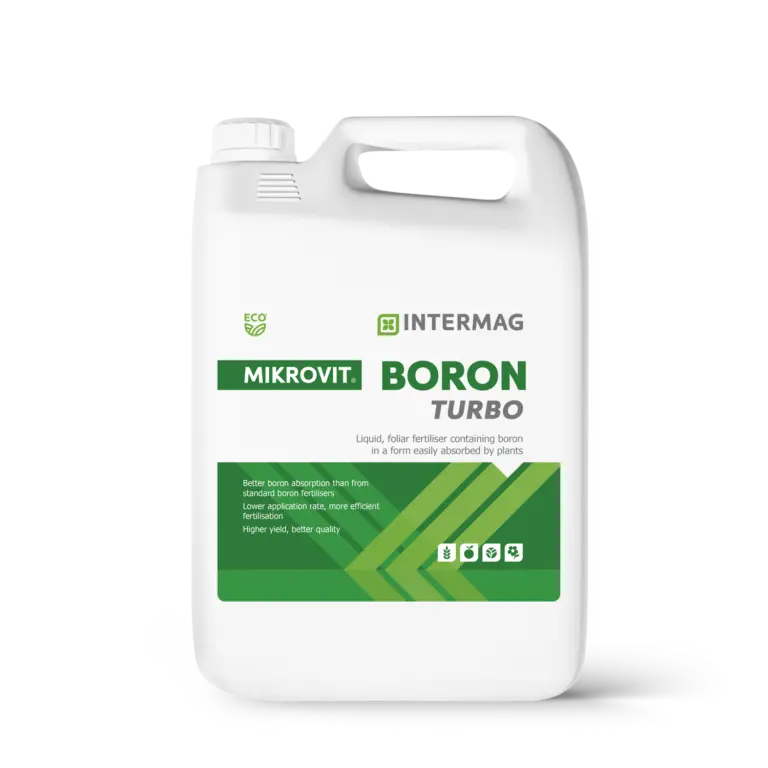
MIKROVIT® BORON TURBO
Liquid, foliar boron fertilizer containing 150 g of Boron in 1L
VIEW DETAILS →
Plant Products
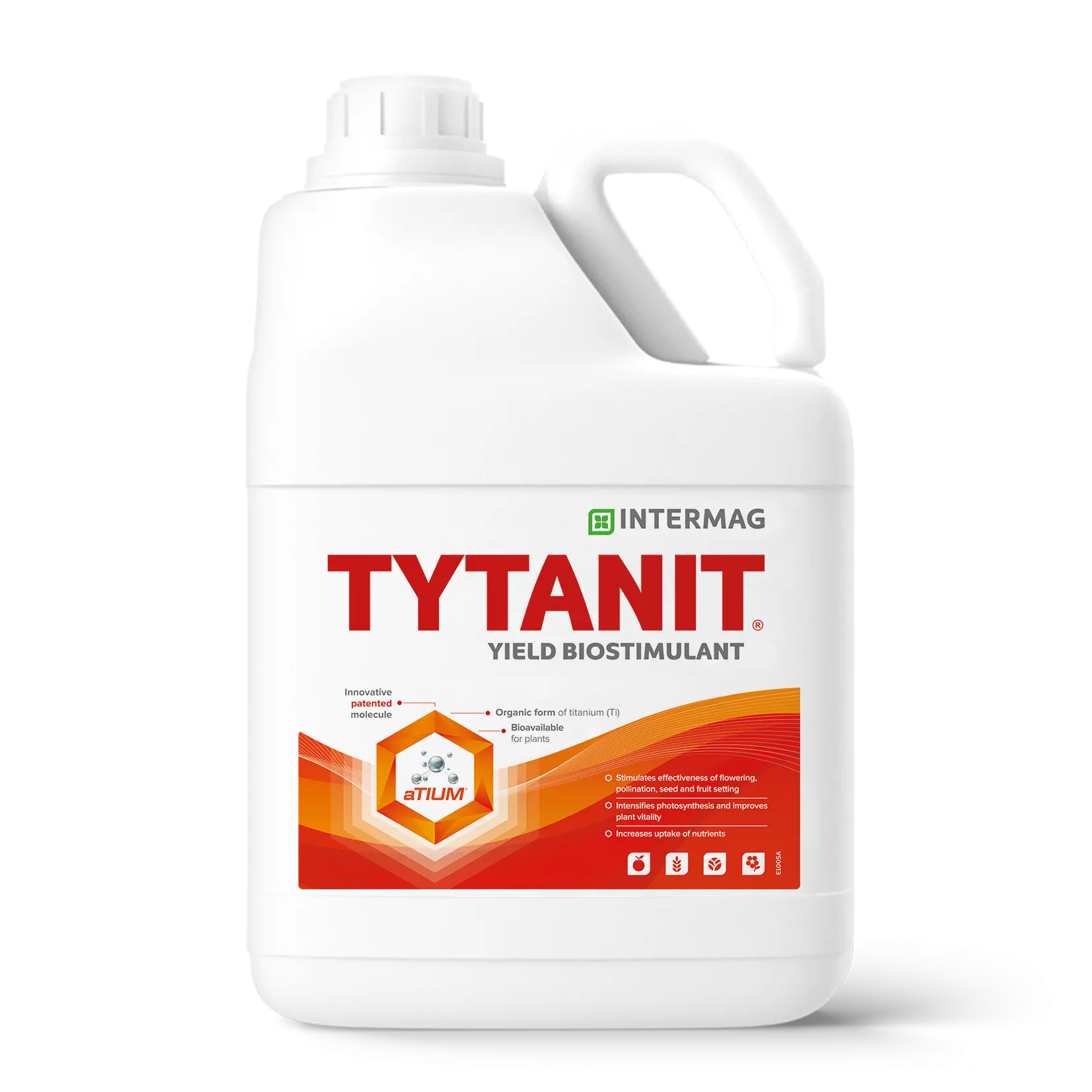
Tytanit
TYTANIT® is a patented growth biostimulant containing TITANIUM (Ti) in a form of unique molecule aTIUM®, what ensures it’s high effectiveness.
VIEW DETAILS →
Plant Products
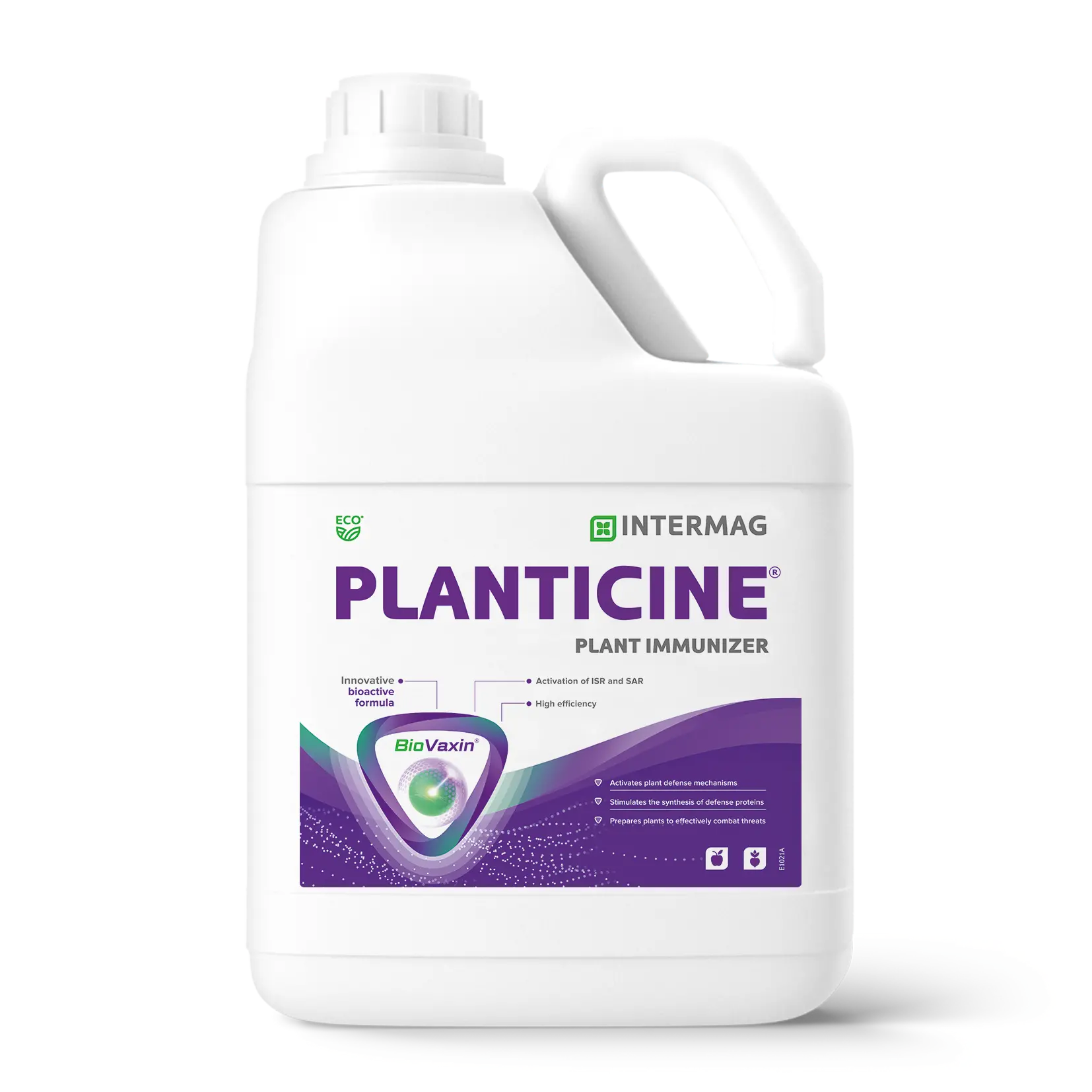
PLANTICINE
PLANTICINE® is a unique biostimulator of natural plant defence mechanisms, containing plant substances – oligogalacturonides (OGs). PLANTICINE® owes its effectiveness to the innovative formula BioVaxin®.
VIEW DETAILS →