


| Application times for foliar treatments (◆ optimal, ◇ optional): | Direction for use: |
| ◆ leaf development | Foliar treatments – single dose 2 L/ha |
| ◆ tillering | |
| ◆ stem elongation | |
| ◇ end of flowering |
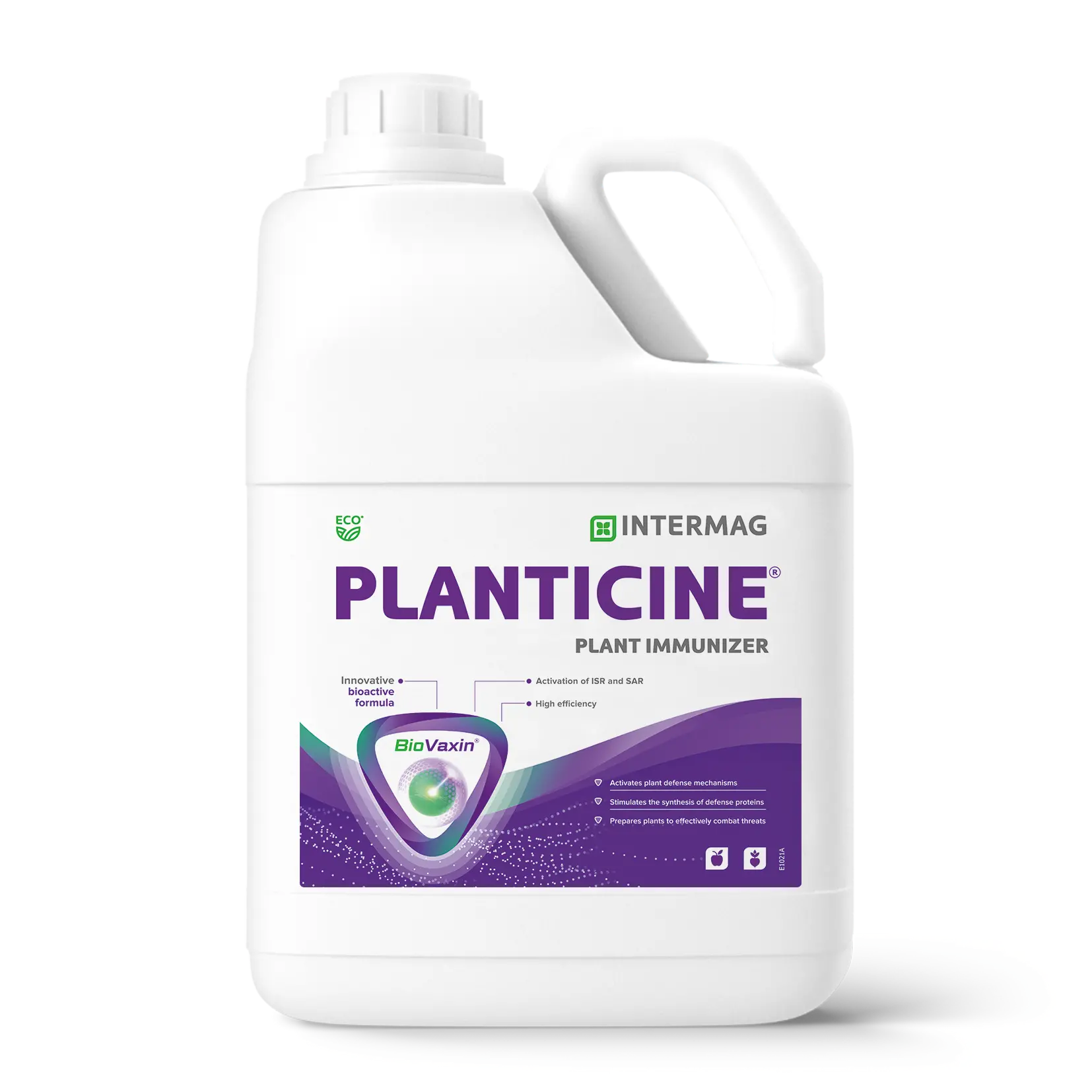
PLANTICINE
PLANTICINE® is a unique biostimulator of natural plant defence mechanisms, containing plant substances – oligogalacturonides (OGs). PLANTICINE® owes its effectiveness to the innovative formula BioVaxin®.
DESCRIPTION
PLANTICINE® – BENEFITS

Plants attacked by pathogens demonstrate the disorders of growth and development, and in extreme cases they die. Plants use natural defence mechanisms to protect themselves against pathogens. There are two types of plant resistance to infection, which can act locally in the cells surrounding the site of infection and later develop in other parts of plant – Induced Systemic Resistance (ISR) or Systemic Acquired Resistance (SAR).
Oligogalacturonides (OGs) activate the defence response and strengthen the plant’s immune system. Additionally, they have beneficial effect on plant metabolism.
PLANTICINE® astimulates natural plant immune system to produce defence proteins, induces defence response and prepares plants for pathogen attack.
An innovative BioVaxin® formula has been developed as a result of advanced research conducted by INTERMAG. The formula ensures the high effectiveness of PLANTICINE®, in activating the natural defence mechanisms of plants.
PLANTICINE® effectively supports the effectiveness of plant protection products and allows for the reduction of their amount.
PLANTICINE® thanks to the unique BioVaxin® formula makes plants ready for a quick and effective defence against potential threat
PLANTICINE® is:

Innovative, patented formula – BioVaxin® was created thanks to the advanced technology of obtaining natural plant substances – oligogalacturonides. It ensures effective activation of plant immune system.
BioVaxin® means:
BioVaxin® means:

PLANTICINE® – application
 |
PLANTICINE® is registered for use in organic agriculture in accordance with Regulation (EU) No. 2018/848. |
PLANTICINE® is recommended for use in the cultivation of all agricultural, fruit and vegetable crops in the form of foliar sprays.

*number of treatments should be adjusted to plant vigor and growing conditions
 |
Foliar treatments – general application times (◆optimal, ◊ optional) ◆ leaf development 1-2 treatment every 7-21 days, ◆plant growth / before beginning of flowering, ◊ development of parts for harvesting: 1-2 treatments every 14-21 days, ◊ in situations of expected stress factor |
 |
Foliar application of PLANTICINE® almost 5-times increases the expression of genes involved in activation of isr immunity.
|
 |
Foliar application of PLANTICINE® almost 3-times intensifies the activity of genes involved in the synthesis of (PR) proteins (activation of SAR).  |
 |
Foliar application of PLANTICINE® more than 2-times increases the activity of genes stimulating plant resistance to pathogens’ attack.
|
PLANTICINE® – LEARN MORE
FREQUENTLY ASKED QUESTIONS - FAQ
| What are oligogalacturonides? |
Oligogalacturonides are short-chain polymers of galacturonic acid that result from the hydrolysis of pectins. Pectins are polysaccharides found in plant cell walls, particularly abundant in fruits and vegetables. They are known for their role as alarm signals in plants, activating defense mechanisms in response to stress, mechanical damage, or pathogen attack.
| In what crops can PLANTICINE® be used? |
PLANTICINE® can be used in agricultural, orchard, and vegetable crops.
Additional Information
| Application times for foliar treatments (◆ optimal, ◇ optional): | Direction for use: |
| ◆ leaf development | Foliar treatments – single dose 2 L/ha |
| ◆ main steam elongation | |
| ◆ flower bud formation | |
| ◆ petal fall |
| Application times for foliar treatments (◆ optimal, ◇ optional): | Direction for use: |
| ◆ 4.–6. leaves unfolded | Foliar treatments – single dose 2 L/ha |
| ◆ 7.–8. leaves unfolded | |
| ◆ stem elongation | |
| ◇ tassel and ear (cob) emergence |
| Application times for foliar treatments (◆ optimal, ◇ optional): | Direction for use: |
| ◆ beginning of leaf development | Foliar treatments – single dose 2 L/ha |
| ◆ beginning of crop cover | |
| ◆ storage root development 1–2 treatments every 7–14 days |
| Application times for foliar treatments (◆ optimal, ◇ optional): | Direction for use: |
| ◆ beginning of growth of shoots and leaves (plant height about 10 cm) | Foliar treatments – single dose 2 L/ha |
| ◆ growth of shoots and leaves (plant height ˃15 cm) | |
| ◆ beginning of tuber growth | |
| ◇ tuber growth: 1–3 treatments every 7–21 days The application time should be considered as optimal in case of high pressure of pests and diseases. |
| Application times for foliar treatments (◆ optimal, ◇ optional): | Direction for use: |
| ◆ first trifoliate leaf development | Foliar treatments – single dose 2 L/ha |
| ◆ beginning of growth of shoots | |
| ◆ beginning of flower bud development | |
| ◇/◆ beginning of pod and seed development: 1–3 treatments The application time should be considered as optimal in case of high pressure of pests and diseases. |
| Application times for foliar treatments (◆ optimal, ◇ optional): | Direction for use: |
| ◆ first true leaf development | Foliar treatments – single dose 2 L/ha |
| ◆ beginning of growth of shoots | |
| ◆ beginning of flower bud development | |
| ◇/◆ beginning of pod and seed development: 1–3 treatments every 7–10 days The application time should be considered as optimal in case of high pressure of pests and diseases. |
| Application times for foliar treatments (◆ optimal, ◇ optional): | Direction for use: |
| ◆ first true leaf development | Foliar treatments – single dose 2 L/ha |
| ◆ beginning of growth of shoots | |
| ◆ beginning of flower bud development | |
| ◇/◆ beginning of pod and seed development: 1–3 treatments every 7–10 days The application time should be considered as optimal in case of high pressure of pests and diseases. |
| Application times for foliar treatments (◆ optimal, ◇ optional): | Direction for use: |
| ◆ first true leaf development | Foliar treatments – single dose 2 L/ha |
| ◆ beginning of growth of shoots | |
| ◆ beginning of flower bud development | |
| ◇/◆ beginning of pod and seed development: 1–3 treatments every 7–10 days The application time should be considered as optimal in case of high pressure of pests and diseases. |
| Application times for foliar treatments (◆ optimal, ◇ optional): | Direction for use: |
| ◆ first true leaf development | Foliar treatments – single dose 2 L/ha |
| ◆ beginning of growth of shoots | |
| ◆ beginning of flower bud development | |
| ◇/◆ beginning of pod and seed development: 1–3 treatments every 7–10 days The application time should be considered as optimal in case of high pressure of pests and diseases. |
| Application times for foliar treatments (◆ optimal, ◇ optional): | Direction for use: |
| ◆ first true leaf development | Foliar treatments – single dose 2 L/ha |
| ◆ beginning of growth of shoots | |
| ◆ beginning of flower bud development | |
| ◇/◆ beginning of pod and seed development: 1–3 treatments every 7–10 days The application time should be considered as optimal in case of high pressure of pests and diseases. |
| Application times for foliar treatments (◆ optimal, ◇ optional): | Direction for use: |
| ◆ first true leaf development | Foliar treatments – single dose 2 L/ha |
| ◆ beginning of growth of shoots | |
| ◆ beginning of flower bud development | |
| ◇/◆ beginning of pod and seed development: 1–3 treatments every 7–10 days The application time should be considered as optimal in case of high pressure of pests and diseases. |
| Application times for foliar treatments (◆ optimal, ◇ optional): | Direction for use: |
| ◆ first true leaf development | Foliar treatments – single dose 2 L/ha |
| ◆ beginning of growth of shoots | |
| ◆ beginning of flower bud development | |
| ◇/◆ beginning of pod and seed development: 1–3 treatments every 7–10 days The application time should be considered as optimal in case of high pressure of pests and diseases. |
| Application times for foliar treatments (◆ optimal, ◇ optional): | Direction for use: |
| ◆ rosette development | Foliar treatments – single dose 2 L/ha |
| ◆ beginning of growth of shoots | |
| ◆ beginning of flower bud development | |
| ◇/◆ beginning of pod and seed development: 1–3 treatments every 7–10 days The application time should be considered as optimal in case of high pressure of pests and diseases. |
| Application times for foliar treatments (◆ optimal, ◇ optional): | Direction for use: |
| ◆ green bud stage | Foliar treatments – single dose 2 L/ha. |
| ◆ pink bud stage | |
| ◆ end of flowering: majority of petals fallen | |
| ◆ beginning of fruit development | |
| ◇ growth of fruits: 1–2 treatments every 14–21 days |
| Application times for foliar treatments (◆ optimal, ◇ optional): | Direction for use: |
| ◆ beginning of flowering | Foliar treatments – single dose 2 L/ha |
| ◆ end of flowering – fruitlet development | |
| ◆ fruit development: 2 treatments every 7–21 days |
| Application times for foliar treatments (◆ optimal, ◇ optional): | Direction for use: |
| ◆ beginning of flowering | Foliar treatments – single dose 2 L/ha |
| ◆ end of flowering – fruitlet development | |
| ◆ fruit development: 2 treatments every 7–21 days |
| Application times for foliar treatments (◆ optimal, ◇ optional): | Direction for use: |
| ◆ beginning of flowering | Foliar treatments – single dose 2 L/ha |
| ◆ end of flowering – fruitlet development | |
| ◆ fruit development: 2-3 treatments every 7–21 days |
| Application times for foliar treatments (◆ optimal, ◇ optional): | Direction for use: |
| ◆ beginning of flowering | Foliar treatments – single dose 2 L/ha |
| ◆ end of flowering – fruitlet development | |
| ◆ fruit development: 2-3 treatments every 7–21 days |
| Application times for foliar treatments (◆ optimal, ◇ optional): | Direction for use: |
| ◆ beginning of flowering | Foliar treatments – single dose 2 L/ha |
| ◆ end of flowering – fruitlet development | |
| ◆ fruit development: 2-3 treatments every 7–21 days |
| Application times for foliar treatments (◆ optimal, ◇ optional): | Direction for use: |
| ◆ beginning of flowering | Foliar treatments – single dose 2 L/ha |
| ◆ end of flowering – fruitlet development | |
| ◆ fruit development: 2-3 treatments every 7–21 days |
| Application times for foliar treatments (◆ optimal, ◇ optional): | Direction for use: |
| ◆ leaf development – until beginning of inflorescence emergence | Foliar treatments – single dose 2 L/ha |
| ◆ beginning of fruit development: 2 treatments every 7–14 days | |
| ◇ growth of fruits |
| Application times for foliar treatments (◆ optimal, ◇ optional): | Direction for use: |
| ◆ leaf and shoot growth | Foliar treatments – single dose 2 L/ha |
| ◆ beginning of the first inflorescence emergence | |
| ◆ beginning of the first fruit development: 2 treatments every 7–21 days | |
| ◇ growth and ripening of fruits – treatments between successive harvests |
| Application times for foliar treatments (◆ optimal, ◇ optional): | Direction for use: |
| ◆ leaf and shoot growth | Foliar treatments – single dose 2 L/ha |
| ◆ beginning of inflorescence emergence | |
| ◆ beginning of the fruit development: 2 treatments every 7–21 days | |
| ◇ growth and ripening of fruits – treatments between harvests |
| Application times for foliar treatments (◆ optimal, ◇ optional): | Direction for use: |
| ◆ leaf and shoot development | Foliar treatments – single dose 2 L/ha. |
| ◆ beginning of inflorescence emergence | |
| ◆ beginning of fruit development: 2 treatments every 7–21 days | |
| ◇ growth of fruits |
| Application times for foliar treatments (◆ optimal, ◇ optional): | Direction for use: |
| ◆ beginning of leaf development and inflorescence emergence | Foliar treatments – single dose 2 L/ha |
| ◆ inflorescence emergence until beginning of flowering | |
| ◆ fruit development and maturation: 2–3 treatments every 10–14 days |
| Application times for foliar treatments (◆ optimal, ◇ optional): | Direction for use: |
| ◆ leaf development | Foliar treatments – single dose 2 L/ha |
| ◆ beginning of inflorescence emergence | |
| ◆ beginning of fruit development | |
| ◇ fruiting period – after the following harvest: 1–3 treatments every 7–10 days |
| Application times for foliar treatments (◆ optimal, ◇ optional): | Direction for use: |
| ◆ intensive plant growth | Foliar treatments – single dose 2 L/ha |
| ◆ the first inflorescence emergence | |
| ◆ beginning of fruit development: 1–2 treatments every 7–21 days | |
| ◇ after the following harvest |
| Application times for foliar treatments (◆ optimal, ◇ optional): | Direction for use: |
| ◆ intensive plant growth | Foliar treatments – single dose 2 L/ha |
| ◆ beginning of inflorescence emergence | |
| ◆ fruit development: 1–2 treatments every 7–21 days |
| Application times for foliar treatments (◆ optimal, ◇ optional): | Direction for use: |
| ◆ intensive plant growth | Foliar treatments – single dose 2 L/ha |
| ◆ the first inflorescence emergence | |
| ◆ beginning of fruit development: 1–2 treatments every 7–21 days | |
| ◇ after the following harvest |
| Application times for foliar treatments (◆ optimal, ◇ optional): | Direction for use: |
| ◆ 3–6 leaves unfolded | Foliar treatments – single dose 2 L/ha |
| ◆ intensive plant growth | |
| ◆ after the following harvest: 1–2 treatments every 7–21 days |
| Application times for foliar treatments (◆ optimal, ◇ optional): | Direction for use: |
| ◆ 3–6 leaves unfolded | Foliar treatments – single dose 2 L/ha |
| ◆ intensive plant growth | |
| ◆ after the following harvest: 1–2 treatments every 7–21 days |
| Application times for foliar treatments (◆ optimal, ◇ optional): | Direction for use: |
| ◆ 3–6 leaves unfolded | Foliar treatments – single dose 2 L/ha |
| ◆ intensive plant growth | |
| ◆ after the following harvest: 1–2 treatments every 7–21 days |
| Application times for foliar treatments (◆ optimal, ◇ optional): | Direction for use: |
| ◆ 3–6 leaves unfolded | Foliar treatments – single dose 2 L/ha |
| ◆ intensive plant growth | |
| ◆ after the following harvest: 1–2 treatments every 7–21 days |
| Application times for foliar treatments (◆ optimal, ◇ optional): | Direction for use: |
| ◆ 3–6 leaves unfolded | Foliar treatments – single dose 2 L/ha |
| ◆ intensive plant growth | |
| ◆ after the following harvest: 1–2 treatments every 7–21 days |
| Application times for foliar treatments (◆ optimal, ◇ optional): | Direction for use: |
| ◆ 3–6 leaves unfolded | Foliar treatments – single dose 2 L/ha |
| ◆ intensive plant growth | |
| ◆ after the following harvest: 1–2 treatments every 7–21 days |
| Application times for foliar treatments (◆ optimal, ◇ optional): | Direction for use: |
| ◆ 3rd–5th leaf clearly visible | Foliar treatments – single dose 2 L/ha |
| ◇ growth of leaves | |
| ◆ beginning of onion bulb formation | |
| ◆ growth of onion bulb – until beginning of leaf bending over: 1–2 treatments every 7–21 days |
| Application times for foliar treatments (◆ optimal, ◇ optional): | Direction for use: |
| ◆ growth of leaves: 1–2 treatments every 7–14 days | Foliar treatments – single dose 2 L/ha |
| ◆ beginning of onion bulb formation | |
| ◆ growth of onion bulb – until beginning of leaf bending over: 1–2 treatments every 7–21 days |
| Application times for foliar treatments (◆ optimal, ◇ optional): | Direction for use: |
| ◆ 3rd–5th leaf clearly visible | Foliar treatments – single dose 2 L/ha |
| ◇ growth of leaves | |
| ◆ beginning of onion bulb formation | |
| ◆ growth of onion bulb – until beginning of leaf bending over: 1–2 treatments every 7–21 days |
| Application times for foliar treatments (◆ optimal, ◇ optional): | Direction for use: |
| ◆ after seedling adaptation to field conditions – leaf development | Foliar treatments – single dose 2 L/ha |
| ◆ beginning of the head formation | |
| ◆ beginning of the head formation | |
| ◇ head reaches ca. 70–80% of the typical size |
| Application times for foliar treatments (◆ optimal, ◇ optional): | Direction for use: |
| ◆ leaf growth – until beginning of onion bulb formation | Foliar treatments – single dose 2 L/ha |
| ◆ growth of onion bulb – until beginning of leaf bending over |
| Application times for foliar treatments (◆ optimal, ◇ optional): | Direction for use: |
| ◆ 3rd–5th leaf clearly visible | Foliar treatments – single dose 2 L/ha |
| ◇ growth of leaves | |
| ◆ beginning of garlic bulb formation | |
| ◆ growth of garlic bulb: 1–2 treatments every 7–21 days |
| Application times for foliar treatments (◆ optimal, ◇ optional): | Direction for use: |
| ◆ beginning of growth of plants: 2 treatments every 7–14 days | Foliar treatments – single dose 2 L/ha |
| ◆ growth of harvestable plant part: 1–2 treatments every 7–21 days |
| Application times for foliar treatments (◆ optimal, ◇ optional): | Direction for use: |
| ◆ after seedling adaptation to field conditions | Foliar treatments – single dose 2 L/ha |
| ◆ beginning of the flower head development | |
| ◆ growth of the flower head |
| Application times for foliar treatments (◆ optimal, ◇ optional): | Direction for use: |
| ◆ after seedling adaptation to field conditions | Foliar treatments – single dose 2 L/ha |
| ◆ beginning of the flower head development | |
| ◆ growth of the flower head |
| Application times for foliar treatments (◆ optimal, ◇ optional): | Direction for use: |
| ◆ after seedling adaptation to field conditions – leaf development | Foliar treatments – single dose 2 L/ha |
| ◆ beginning of the head formation | |
| ◆ beginning of the head formation | |
| ◇ head reaches ca. 70–80% of the typical size |
| Application times for foliar treatments (◆ optimal, ◇ optional): | Direction for use: |
| ◆ after seedling adaptation to field conditions – leaf development | Foliar treatments – single dose 2 L/ha |
| ◆ beginning of the head formation | |
| ◆ beginning of the head formation | |
| ◇ head reaches ca. 70–80% of the typical size |
| Application times for foliar treatments (◆ optimal, ◇ optional): | Direction for use: |
| ◆ after seedling adaptation to field conditions – leaf development | Foliar treatments – single dose 2 L/ha |
| ◆ beginning of the head formation | |
| ◆ head reaches approx. 50% of the typical size | |
| ◇ head reaches ca. 70–80% of the typical size |
| Application times for foliar treatments (◆ optimal, ◇ optional): | Direction for use: |
| ◆ after seedling adaptation to field conditions – leaf development | Foliar treatments – single dose 2 L/ha |
| ◆ beginning of axillary bud (‘sprouts’) formation | |
| ◆ approx. 50% of ‘sprouts’ are formed | |
| ◇ 70-80% of ‘sprouts’ are formed |
| Application times for foliar treatments (◆ optimal, ◇ optional): | Direction for use: |
| ◆ after seedling adaptation to field conditions – leaf development | Foliar treatments – single dose 2 L/ha |
| ◆ beginning of the root thickening formation | |
| ◆ root thickening reaches approx. 50% of the typical size |
| Application times for foliar treatments (◆ optimal, ◇ optional): | Direction for use: |
| ◆ after plant emergence – leaf development | Foliar treatments – single dose 2 L/ha |
| ◆ beginning of the root thickening formation | |
| ◆ root thickening reaches approx. 50% of the typical size |
| Application times for foliar treatments (◆ optimal, ◇ optional): | Direction for use: |
| ◆ after seedling adaptation to field conditions – leaf development | Foliar treatments – single dose 2 L/ha |
| ◆ intensive growth of leaf mass | |
| ◆ approx. 50% of the leaf mass formed | |
| ◇ approx. 70–80% of the leaf mass formed |
| Application times for foliar treatments (◆ optimal, ◇ optional): | Direction for use: |
| ◆ 3rd–5th leaf unfolded | Foliar treatments – single dose 2 L/ha |
| ◆ beginning of storage root formation | |
| ◆ storage root growth: 1–2 treatments every 7–21 days |
| Application times for foliar treatments (◆ optimal, ◇ optional): | Direction for use: |
| ◆ 3rd–5th leaf unfolded | Foliar treatments – single dose 2 L/ha |
| ◆ beginning of storage root formation | |
| ◆ storage root growth: 1–2 treatments every 7–21 days |
| Application times for foliar treatments (◆ optimal, ◇ optional): | Direction for use: |
| ◆ 3rd–5th leaf unfolded | Foliar treatments – single dose 2 L/ha |
| ◆ beginning of storage root formation | |
| ◆ storage root growth: 1–2 treatments every 7–21 days |
DISCOVER MORE
VIEW ALL PLANT PRODUCTS →RELATED PRODUCTS
Plant Products
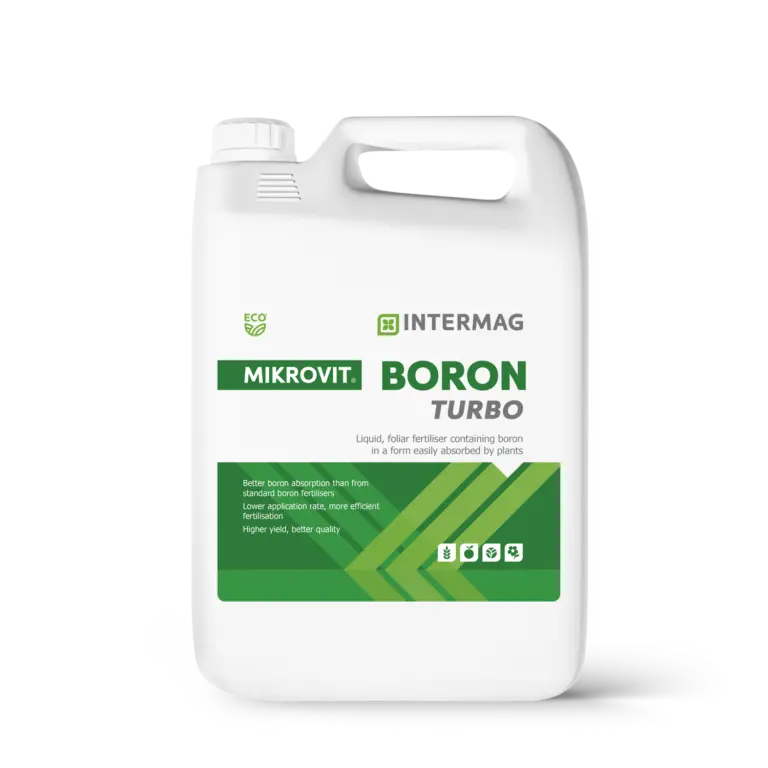
MIKROVIT® BORON TURBO
Liquid, foliar boron fertilizer containing 150 g of Boron in 1L
VIEW DETAILS →
Plant Products
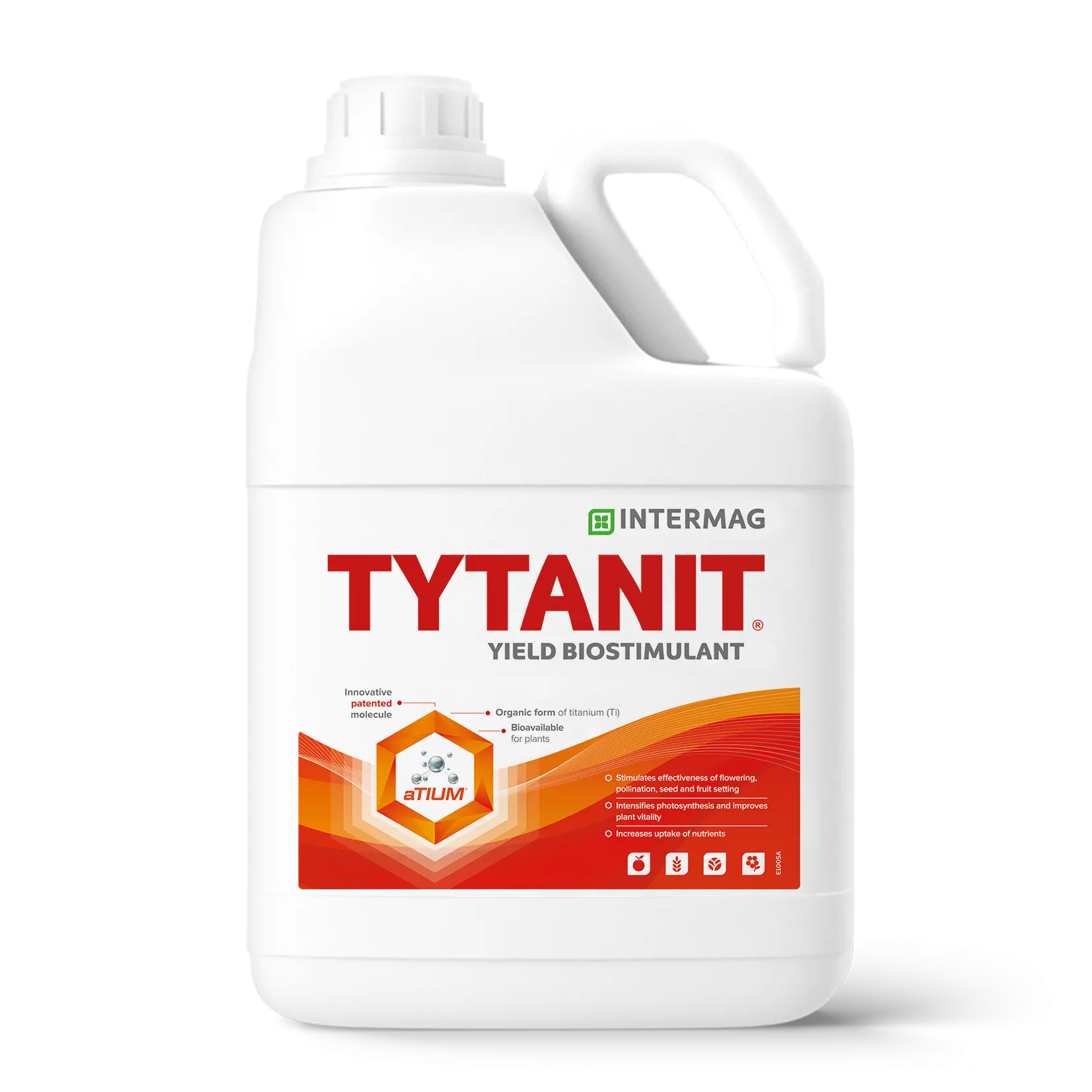
Tytanit
TYTANIT® is a patented growth biostimulant containing TITANIUM (Ti) in a form of unique molecule aTIUM®, what ensures it’s high effectiveness.
VIEW DETAILS →
Plant Products
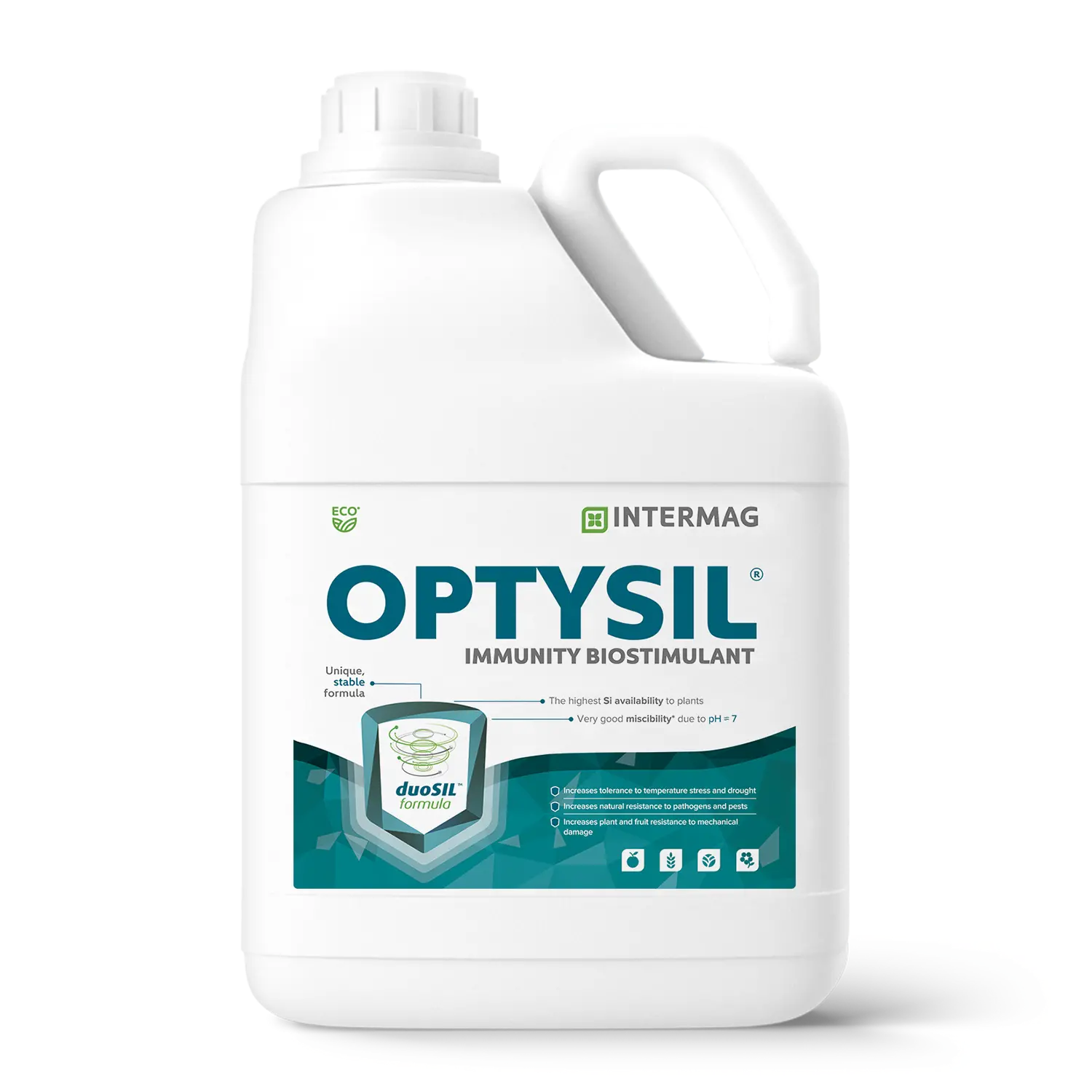
OPTYSIL
OPTYSIL® is an innovative silicon immunity biostimulant, containing active silicon form, which owes its effectiveness to unique formula duoSIL™
VIEW DETAILS →