
| Application times (◆ optimal, ◇ optional): | Direction for use: |
| ◇/◆ Autumn: 3–6 leaves unfolded The application time should be considered as optimal in case of crops grown on soils with a pH above 6.5, in case of appearance of iron deficiency symptoms, and when there is a need for improvement of plant condition. |
Single dose – 0.3–0.7 kg/ha |
| ◇/◆ Spring: tillering The application time should be considered as optimal in case of crops grown on soils with a pH above 6.5, in case of appearance of iron deficiency symptoms, and when there is a need for improvement of plant condition. |
|
| ◇/◆ Stem elongation The application time should be considered as optimal in case of crops grown on soils with a pH above 6.5, in case of appearance of iron deficiency symptoms, and when there is a need for improvement of plant condition. |
|
| ◇/◆ Flag leaf stage / beginning of heading The application time should be considered as optimal in case of crops grown on soils with a pH above 6.5, in case of appearance of iron deficiency symptoms, and when there is a need for improvement of plant condition. |
AMINO ULTRA Fe-20
AMINO ULTRA® Fe-20 is an innovative, micronutrient fertilizer intended for foliar feeding of of all types of crops. The fertilizer quickly and efficiently provides plants with iron.

DESCRIPTION
AMINO ULTRA® Fe-20 is based on the patented GCAA technology, in which micronutrients are bonded with the amino acid – glycine. Glycine is the smallest and the most mobile amino acid in plants. Therefore, the micronutrients bonded with glycine ensure faster and more effective plant nutrition than mineral salts, oxides or fertilizers based on other complexing agents.
AMINO ULTRA® Fe-20 – BENEFITS

AMINO ULTRA® Fe-20 owes its effectiveness to GCAA Technology

AMINO ULTRA® Fe-20 – COMPOSITION
| COMPOSITION | g/kg | % (m/m) |
| Water-soluble iron (Fe) as glycinate | 200 | 20.0 |
| Total nitrogen (N) | 44 | 4.4 |
 |
AMINO ULTRA® Fe-20 is registered for use in organic agriculture in accordance with Regulation (EU) No. 2018/848. and is on the list – www.inputs.eu. |
AMINO ULTRA® Fe-20 – APPLICATION
AMINO ULTRA® Fe-20 is intended for foliar application for plants with high requirements for iron. The fertiliser provides plants with iron quickly and effectively.
AMINO ULTRA® Fe-20 works perfectly even in difficult growing conditions and is completely safe for the natural environment. It is essential in the case of soil conditions that limit the availability of manganese for plants (high pH, high manganese content, lack of oxygen in the root zone).
When used as an intervention, it effectively eliminates iron deficiency and limits the negative effects of periodic deficiency.

AMINO ULTRA® Fe-20 – RESEARCH RESULTS

AMINO ULTRA® Fe-20 – LEARN MORE
FREQUENTLY ASKED QUESTIONS – FAQ
| What is AMINO ULTRA® Fe-20? |
AMINO ULTRA® Fe-20 is an innovative foliar iron fertilizer for all types of crops. It is distinguished by the use of GCAA technology, in which iron is complexed by the amino acid glycine, which ensures fast and effective absorption of the nutrient by plants.
| What is the role of glycine in AMINO ULTRA® Fe-20 |
Glycine is the smallest and the most mobile amino acid, so it facilitates fastand effective uptake of micronutrients by plants compared to traditional fertilizers based on salts, oxides or other complexing agents.
| In what conditions it is highly recommended to apply AMINO ULTRA® Fe-20? |
Fe-20 is recommended for soils with high pH, high manganese content and lack oxygen content in the root zone.
| How does AMINO ULTRA Fe-20 affect plants? |
Iron is an activator of synyhesis of chlorophyll and many types of proteins, influences proper growth and development of plants and improves quality parameters of crops.
| What are the major benefits of using AMINO ULTRA® Fe-20? |
AMINO ULTRA® Fe-20 provides an ultra-fast nutritional effect, high concentration of iron at a low dose per hectare and is effective in difficult growing conditions. It is also safe for the natural environment.
Additional Information
| Application times (◆ optimal, ◇ optional): | Direction for use: |
| ◇/◆ leaf development – tillering The application time should be considered as optimal in case of crops grown on soils with a pH above 6.5, in case of appearance of iron deficiency symptoms, and when there is a need for improvement of plant condition. |
Single dose – 0.3–0.7 kg/ha |
| ◇/◆ stem elongation The application time should be considered as optimal in case of crops grown on soils with a pH above 6.5, in case of appearance of iron deficiency symptoms, and when there is a need for improvement of plant condition. |
|
| ◇/◆ stem elongation The application time should be considered as optimal in case of crops grown on soils with a pH above 6.5, in case of appearance of iron deficiency symptoms, and when there is a need for improvement of plant condition. |
|
| ◇/◆ flag leaf stage / beginning of heading The application time should be considered as optimal in case of crops grown on soils with a pH above 6.5, in case of appearance of iron deficiency symptoms, and when there is a need for improvement of plant condition. |
| Application times (◆ optimal, ◇ optional): | Direction for use: |
| ◇ Autumn: 3–6 leaves unfolded | Single dose – 0.3–0.7 kg/ha |
| ◇ Spring: continuation of tillering | |
| ◇ stem elongation | |
| ◇ flag leaf stage / beginning of heading |
| Application times (◆ optimal, ◇ optional): | Direction for use: |
| ◇ leaf development – tillering | Single dose – 0.3–0.7 kg/ha |
| ◇ stem elongation. | |
| ◇ flag leaf stage / beginning of heading |
| Application times (◆ optimal, ◇ optional): | Direction for use: |
| ◇ Autumn: leaf development – until beginning of tillering | Single dose – 0.3–0.7 kg/ha |
| ◇ Spring: beginning of stem elongation | |
| ◇ flag leaf stage – until first awns visible |
| Application times (◆ optimal, ◇ optional): | Direction for use: |
| ◇ leaf development – until beginning of stem elongation | Single dose – 0.3–0.7 kg/ha |
| ◇ flag leaf stage – until first awns visible |
| Application times (◆ optimal, ◇ optional): | Direction for use: |
| ◇ Autumn: leaf development – until beginning of tillering | Single dose 0.3–0.7 kg/ha |
| ◇ Spring: beginning of stem elongation | |
| ◇ flag leaf stage – until first awns visible |
| Application times (◆ optimal, ◇ optional): | Direction for use: |
| ◇ leaf development – until beginning of stem elongation | Single dose – 0.3–0.7 kg/ha |
| ◇ flag leaf stage – until first awns visible |
| Application times (◆ optimal, ◇ optional): | Direction for use: |
| ◇ Autumn: leaf development – until beginning of tillering | Single dose -0.3–0.7 kg/ha |
| ◇ Spring: beginning of steam elongation | |
| ◇ flag leaf stage – until beginning of heading |
| Application times (◆ optimal, ◇ optional): | Direction for use: |
| ◇ leaf development – until beginning of steam elongation | Single dose – 0.3–0.7 kg/ha |
| ◇ flag leaf stage – until beginning of heading |
| Application times (◆ optimal, ◇ optional): | Direction for use: |
| ◇ leaf development – tillering | Single dose 0.3–0.7 kg/ha |
| ◇ stem elongation – until flag leaf stage |
| Application times (◆ optimal, ◇ optional): | Direction for use: |
| ◇/◆* Autumn: 4–8 leaves unfolded | Single dose – 0.3–0.7 kg/ha |
| ◇/◆* Spring: beginning of main stem elongation | |
| ◇/◆* bud formation – until beginning of flowering | |
| ◇ the end of flowering until the beginning of pod development |
*The treatment should be considered as optimal in case of crops grown on soils with a pH above 7, in case of appearance of iron deficiency symptoms, and when there is a need for improvement of plant condition.
| Application times (◆ optimal, ◇ optional): | Direction for use: |
| ◇/◆* leaf development – until beginning of main stem elongation | Single dose – 0.3–0.7 kg/ha |
| ◇/◆* bud formation – until beginning of flowering | |
| ◇ the end of flowering until the beginning of pod development |
*The treatment should be considered as optimal in case of crops grown on soils with a pH above 7, in case of appearance of iron deficiency symptoms, and when there is a need for improvement of plant condition.
| Application times (◆ optimal, ◇ optional): | Direction for use: |
| ◆ 2–6 leaves unfolded (4 leaves is the optimum stage for treatment) | Single dose – 0.3–0.7 kg/ha |
| ◆ stem elongation – until beginning of tassel formation |
| Application times (◆ optimal, ◇ optional): | Direction for use: |
| ◆ beginning of leaf development | Single dose – 0.3–0.7 kg/ha |
| ◆ beginning of crop cover | |
| ◇ beginning of storage root development |
| Application times (◆ optimal, ◇ optional): | Direction for use: |
| ◆ 4–6 leaves unfolded (BBCH 14–16) | Single dose – 0.3–0.7 kg/ha |
| ◆ beginning of crop cover | |
| ◇ beginning of storage root development |
| Application times (◆ optimal, ◇ optional): | Direction for use: |
| ◆ 2–4 leaves unfolded (BBCH 12–14) | Single dose – 0.3–0.7 kg/ha |
| ◆ beginning of stem elongation (BBCH 30–35) | |
| ◇ beginning of inflorescence development (BBCH 51–53) |
| Application times (◆ optimal, ◇ optional): | Direction for use: |
| ◆ beginning of growth of shoots and leaves (plant height about 10 cm) | Single dose 0.3–0.7 kg/ha |
| ◆ growth of shoots and leaves (plant height ˃15 cm) | |
| ◇ beginning of tuber growth | |
| ◇ tubers reach ca. 50% of the final mass |
| Application times (◆ optimal, ◇ optional): | Direction for use: |
| ◆ first trifoliate leaf development | Single dose – 0.1–0.7 kg/ha |
| ◆ beginning of flower bud development | |
| ◆ beginning of pod and seed development |
| Application times (◆ optimal, ◇ optional): | Direction for use: |
| ◆ first true leaf development | Single dose – 0.1–0.7 kg/ha |
| ◆ beginning of flower bud development | |
| ◆ beginning of pod and seed development |
| Application times (◆ optimal, ◇ optional): | Direction for use: |
| ◆ first true leaf development | Single dose – 0.1–0.7 kg/ha |
| ◆ beginning of flower bud development | |
| ◆ beginning of pod and seed development |
| Application times (◆ optimal, ◇ optional): | Direction for use: |
| ◆ first true leaf development | Single dose – 0.1–0.7 kg/ha |
| ◆ beginning of flower bud development | |
| ◆ beginning of pod and seed development |
| Application times (◆ optimal, ◇ optional): | Direction for use: |
| ◆ first true leaf development | Single dose – 0.1–0.7 kg/ha |
| ◆ beginning of flower bud development | |
| ◆ beginning of pod and seed development |
| Application times (◆ optimal, ◇ optional): | Direction for use: |
| ◆ first true leaf development | Single dose – 0.1–0.7 kg/ha |
| ◆ beginning of flower bud development | |
| ◆ beginning of pod and seed development |
| Application times (◆ optimal, ◇ optional): | Direction for use: |
| ◆ first true leaf development | Single dose – 0.1–0.7 kg/ha |
| ◆ beginning of flower bud development | |
| ◆ beginning of pod and seed development |
| Application times (◆ optimal, ◇ optional): | Direction for use: |
| ◆ first true leaf development | Single dose – 0.1–0.7 kg/ha |
| ◆ beginning of flower bud development | |
| ◆ beginning of pod and seed development |
| Application times (◆ optimal, ◇ optional): | Direction for use: |
| ◆ rosette development | Single dose – 0.1–0.7 kg/ha |
| ◆ beginning of flower bud development | |
| ◆ beginning of pod and seed development |
| Application times (◆ optimal, ◇ optional): | Direction for use: |
| ◆ development of leaves until tillering (BBCH 13–29) | Single dose 0.3–0.7 kg/ha |
| ◆ beginning of stem elongation until beginning of tassel formation (BBCH 31–51) | |
| ◇ tip of tassel visible until flowering, beginning of pollination, visible stigmas (BBCH 53–63) |
| Application times (◆ optimal, ◇ optional): | Direction for use: |
| ◆ leaf development (BBCH 15–19) | Single dose – 0.3–0.7 kg/ha |
| ◆ tillering (BBCH 23–29) | |
| ◇ stem elongation (BBCH 31–39) |
| Application times (◆ optimal, ◇ optional): | Direction for use: |
| ◆ leaf development – tillering | Single dose 0.3–0.7 kg/ha |
| ◆ beginning of stem formation | |
| ◇ beginning of panicle emergence |
| Application times (◆ optimal, ◇ optional): | Direction for use: |
| ◆ beginning of leaf development | Single dose – 0.3–0.7 kg/ha |
| ◆ beginning of side shoots formation | |
| ◆ beginning of flower bud development | |
| ◇ beginning of bolls development |
| Application times for foliar treatments (◆ optimal, ◇ optional): | Direction for use: |
| ◆ “mouse ear” stage | Foliar treatments – single dose 0.3–0.7 kg/ha |
| ◇/◆ end of flowering: majority of petals fallen The treatment should be considered as optimal in when plants are grown on soils with high pH (>7,5). |
|
| ◇ fruit reaches 30–50% of typical size |
| Application times for foliar treatments (◆ optimal, ◇ optional): | Direction for use: |
| ◇/◆ Spring: leaf development The treatment should be considered as optimal when grown in soils with a pH above 7 (water soil extraction). |
Foliar treatments – single dose 0.3–0.7 kg/ha |
| ◇/◆ Spring/summer: growth of main stem and side shoots The treatment should be considered as optimal when grown in soils with a pH above 7 (water soil extraction). |
| Application times for foliar treatments (◆ optimal, ◇ optional): | Direction for use: |
| ◇/◆ 1st year – summer (about 3–4 weeks after budding): end of shoot and leaf growth The treatment should be considered as optimal when grown in soils with a pH above 7 (water soil extraction). |
Foliar treatments – single dose 0.3–0.7 kg/ha |
| ◇/◆ 2nd year – spring/summer: growth of main stem and side shoots The treatment should be considered as optimal when grown in soils with a pH above 7 (water soil extraction). |
| Application times for foliar treatments (◆ optimal, ◇ optional): | Direction for use: |
| ◇/◆1st year – summer: growth of main stem and leaf The treatment should be considered as optimal when grown in soils with a pH above 7 (water soil extraction). |
Foliar treatments – single dose – 1.2–2.8 L/ha |
| ◇/◆ 2nd year – spring/summer: growth of main stem and side shoot The treatment should be considered as optimal when grown in soils with a pH above 7 (water soil extraction). |
| Application times for foliar treatments (◆ optimal, ◇ optional): | Direction for use: |
| ◆ “mouse ear” stage | Foliar treatments – single dose 0.3–0.7 kg/ha |
| ◇/◆ end of flowering: majority of petals fallen The treatment should be considered as optimal in when plants are grown on soils with high pH (>7,5). |
|
| ◇ fruit reaches 30–50% of typical size |
| Application times for foliar treatments (◆ optimal, ◇ optional): | Direction for use: |
| ◆ inflorescence emergence | Foliar treatments – single dose – 0.3–0.7 kg/ha |
| ◆ fruitlet development | |
| ◆ the fruit reaches about half of final size |
| Application times for foliar treatments (◆ optimal, ◇ optional): | Direction for use: |
| ◆ inflorescence emergence | Foliar treatments – single dose – 0.3–0.7 kg/ha |
| ◆ fruitlet development | |
| ◆ the fruit reaches about half of final size |
| Application times for foliar treatments (◆ optimal, ◇ optional): | Direction for use: |
| ◆ inflorescence emergence | Single dose – 0.3–0.7 kg/ha |
| ◆ fruitlet development | |
| ◆ the fruit reaches about 30% of final size |
| Application times for foliar treatments (◆ optimal, ◇ optional): | Direction for use: |
| ◆ inflorescence emergence | Single dose – 0.3–0.7 kg/ha |
| ◆ fruitlet development | |
| ◆ the fruit reaches about 30% of final size |
| Application times for foliar treatments (◆ optimal, ◇ optional): | Direction for use: |
| ◆ inflorescence emergence | Single dose – 0.3–0.7 kg/ha |
| ◆ fruitlet development | |
| ◆ the fruit reaches about 30% of final size |
| Application times for foliar treatments (◆ optimal, ◇ optional): | Direction for use: |
| ◆ inflorescence emergence | Single dose – 0.3–0.7 kg/ha |
| ◆ fruitlet development | |
| ◆ the fruit reaches about 30% of final size |
| Application times (◆ optimal, ◇ optional): | Direction for use: |
| ◆ new shoot development | Single dose – 0.3–0.7 kg/ha |
| ◆ beginning of fruit development |
| Application times (◆ optimal, ◇ optional): | Direction for use: |
| ◆ leaf and shoot development | Single dose – 0.3–0.7 kg/ha |
| ◆ inflorescence development | |
| ◆ intensive growth of fruit |
| Application times (◆ optimal, ◇ optional): | Direction for use: |
| ◆ leaf development (BBCH 13–19) | Single dose – 0.3–0.7 kg/ha |
| ◆ shoot development and growth (BBCH 22–39) | |
| ◇ bud development (BBCH 51–55) | |
| ◇ fruit development (BBCH 71–73) |
| Application times (◆ optimal, ◇ optional): | Direction for use: |
| ◆ leaf development (BBCH 13–19) | Single dose – 0.3–0.7 kg/ha |
| ◆ shoot development and growth (BBCH 22–39) | |
| ◇ bud development (BBCH 51–55) | |
| ◇ fruit development (BBCH 71–73) |
| Application times (◆ optimal, ◇ optional): | Direction for use: |
| ◇ first new leaves visible | Single dose – 0.3–0.7 kg/ha |
| ◇ beginning of flower bud development | |
| ◇ beginning of fruit development | |
| Foliar application of iron (Fe) in citrus cultivation is not recommended as a standard due to low efficiency and the risk of damage to leaves and fruit.Therefore, we recommend MIKROCHELAT Fe-13 or MIKROCHELAT Fe-11 or MIKROCHELAT Fe-6 SL or MIKROCHELAT Fe-6 o-o to be used through the irrigation system (fertigation). | |
| Application times (◆ optimal, ◇ optional): | Direction for use: |
| ◆ leaf development (BBCH 14–19) | Single dose – 0.3–0.7 kg/ha |
| ◆ beginning of stem growth (BBCH 31–33) | |
| ◇ bud and inflorescence development (BBCH 51–55) | |
| ◇ beginning of fruit development (BBCH 71–73) |
| Application times (◆ optimal, ◇ optional): | Direction for use: |
| ◆ new shoot development | Single dose – 0.3–0.7 kg/ha |
| ◆ beginning of fruit development |
| Application times (◆ optimal, ◇ optional): | Direction for use: |
| ◆ beginning of leaf and new shoot development | Single dose – 0.3–0.7 kg/ha |
| ◆ inflorescence emergence | |
| ◆ fruit development – until berries pea-sized |
| Application times for foliar treatments (◆ optimal, ◇ optional): | Direction for use: |
| ◆ after start of growing season – until beginning of fruit development: 1–2 treatments every 7–14 days | Foliar treatments – single dose 0.1–0.7 kg/ha |
| ◇ immediately after harvest |
| Application times for foliar treatments (◆ optimal, ◇ optional): | Direction for use: |
| ◆ Spring: after start of growing season | Foliar treatments – single dose 0.1–0.7 kg/ha |
| ◇ leaf and shoot growth | |
| ◇ beginning of inflorescence emergence | |
| ◆ fruit development – until the first harvest |
| Application times for foliar treatments (◆ optimal, ◇ optional): | Direction for use: |
| ◆ Spring: after start of growing season – bud burst | Foliar treatments – single dose 0.1–0.7 kg/ha |
| ◇ leaf and shoot growth | |
| ◇ beginning of inflorescence emergence | |
| ◆ fruit development – until the first harvest |
| Application times for foliar treatments (◆ optimal, ◇ optional): | Direction for use: |
| ◆ Spring: after start of growing season – bud burst | Foliar treatments – single dose 0.1–0.7 kg/ha |
| ◇ leaf and shoot development | |
| ◇ beginning of inflorescence emergence | |
| ◆ growth of fruits |
| Application times for foliar treatments (◆ optimal, ◇ optional): | Direction for use: |
| ◆ bud breaking | Foliar treatments – single dose – 0.1–0.7 kg/ha |
| ◇ beginning of leaf development and inflorescence emergence | |
| ◇ end of flowering / beginning of fruit development | |
| ◆ fruit development and maturation |
| Application times (◆ optimal, ◇ optional): | Direction for use: |
| ◆ leaf development: 1–2 treatments every 7–14 days | Single dose – 0.1–0.7 kg/ha |
| ◆ beginning of inflorescence emergence | |
| ◇ beginning of flowering | |
| ◇ beginning of fruit development | |
| ◆ fruiting period – immediately after the first harvest | |
| ◆ post-harvest – when plants are leaving for the next growing season: 1–2 treatments every 10–21 days |
| Application times (◆ optimal, ◇ optional): | Direction for use: |
| ◇ after plantlet adaptation to the field conditions – 2nd–3rd leaf unfolded | Single dose – 0.1–0.7 kg/ha |
| ◆ leaf development | |
| ◆ further leaf development and beginning of the first inflorescence development | |
| ◇ development and ripening of the first fruit | |
| ◆ fruiting period: 1–2 treatments every 14–21 days |
| Application times (◆ optimal, ◇ optional): | Direction for use: |
| ◆ Spring: leaf development | Single dose – 0.1–0.7 kg/ha |
| ◇ Spring: beginning of runner growth | |
| ◇ Beginning of summer: elongation growth of runners and rosette plantlets set on the runners |
| Application times (◆ optimal, ◇ optional): | Direction for use: |
| ◆ Spring: leaf development | Single dose – 0.1–0.7 kg/ha |
| ◇ Spring: beginning of runner growth | |
| ◇ Beginning of summer: elongation growth of runners and rosette plantlets set on the runners |
| Application times (◆ optimal, ◇ optional): | Direction for use: |
| ◆ Spring: leaf development | Single dose – 0.1–0.7 kg/ha |
| ◇ Spring: beginning of runner growth | |
| ◇ Beginning of summer: elongation growth of runners and rosette plantlets set on the runners |
| Application times for foliar treatments (◆ optimal, ◇ optional): | Direction for use: |
| ◆ after seedling adaptation to the field conditions | Foliar treatments – single dose 0.1–0.7 kg/ha. |
| ◇ beginning of inflorescence emergence | |
| ◆ fruit development and full yielding: 1–2 treatments every 7–21 days |
| Application times for foliar treatments (◆ optimal, ◇ optional): | Direction for use: |
| ◆ after seedling adaptation to the field conditions | Foliar treatments – single dose 0.1–0.7 kg/ha. |
| ◇ the first inflorescence emergence | |
| ◆ beginning of the first fruit development | |
| ◇ after the first harvest | |
| ◇ after the following harvest |
| Application times for foliar treatments (◆ optimal, ◇ optional): | Direction for use: |
| ◆ after seedling adaptation to the field conditions | Foliar treatments – single dose 0.1–0.7 kg/ha. |
| ◇ intensive plant growth | |
| ◇ the first flower bud emergence | |
| ◆ beginning of fruit development: 1–2 treatments every 7–21 days |
| Application times (◆ optimal, ◇ optional): | Direction for use: |
| ◆ 2nd–3rd true leaf unfolded | Spraying – 0.1–0.15% solution. |
| Application times for foliar treatments (◆ optimal, ◇ optional): | Direction for use: |
| ◆ 3–6 leaves unfolded | Foliar treatments – single dose 0.1–0.7 kg/ha |
| ◆ intensive plant growth: 1–2 treatments every 7–10 days | |
| ◆ after the following harvest: 3–5 treatments every 7–14 days |
| Application times for foliar treatments (◆ optimal, ◇ optional): | Direction for use: |
| ◆ 3–6 leaves unfolded | Foliar treatments – single dose 0.1–0.7 kg/ha |
| ◆ intensive plant growth: 1–2 treatments every 7–10 days | |
| ◆ after the following harvest: 1–2 treatments every 14–21 days |
| Application times for foliar treatments (◆ optimal, ◇ optional): | Direction for use: |
| ◆ 3–6 leaves unfolded | Foliar treatments – single dose 0.1–0.7 kg/ha |
| ◆ intensive plant growth: 1–2 treatments every 7–10 days | |
| ◆ after the following harvest: 1–2 treatments every 14–21 days |
| Application times for foliar treatments (◆ optimal, ◇ optional): | Direction for use: |
| ◆ 3–6 leaves unfolded | Foliar treatments – single dose 0.1–0.7 kg/ha |
| ◆ intensive plant growth: 1–2 treatments every 10–14 days | |
| ◇ growth of fruits: 1–2 treatments every 14–21 days |
| Application times for foliar treatments (◆ optimal, ◇ optional): | Direction for use: |
| ◆ 3–6 leaves unfolded | Foliar treatments – single dose 0.1–0.7 kg/ha |
| ◆ intensive plant growth: 1–2 treatments every 10–14 days | |
| ◇ growth of fruits: 1–2 treatments every 14–21 days |
| Application times for foliar treatments (◆ optimal, ◇ optional): | Direction for use: |
| ◆ 3–6 leaves unfolded | Foliar treatments – single dose 0.1–0.7 kg/ha |
| ◆ intensive plant growth: 1–2 treatments every 10–14 days | |
| ◇ growth of fruits: 1–2 treatments every 14–21 days |
| Application times (◆ optimal, ◇ optional): | Direction for use: |
| ◇ growth of leaves | Spraying – 0.1–0.15% solution |
| Application times for foliar treatments (◆ optimal, ◇ optional): | Direction for use: |
| ◇/◆ 3rd–5th leaf clearly visible The application time should be considered as optimal in the case of: plants are grown on alkaline soils, flooding of the roots, chill for few days. | Foliar treatments – single dose 0.1–0.7 kg/ha |
| ◇ beginning of onion bulb formation |
| Application times for foliar treatments (◆ optimal, ◇ optional): | Direction for use: |
| ◇/◆ growth of leaves The application time should be considered as optimal in the case of: plants are grown on alkaline soils, flooding of the roots, chill for few days. | Foliar treatments – single dose 0.1–0.7 kg/ha |
| ◇ beginning of onion bulb formation |
| Application times (◆ optimal, ◇ optional): | Direction for use: |
| ◇ growth of leaves – until beginning of onion bulb formation | Foliar treatments – single dose 0.1–0.7 kg/ha |
| Application times (◆ optimal, ◇ optional): | Direction for use: |
| ◇/◆ 3rd–5th leaf clearly visible The application time should be considered as optimal in the case of: plants are grown on alkaline soils, flooding of the roots, chill for few days. |
Foliar treatments – single dose 0.1–0.7 kg/ha |
| ◇ beginning of onion bulb formation |
| Application times (◆ optimal, ◇ optional): | Direction for use: |
| ◇/◆ 3rd–5th leaf clearly visible The application time should be considered as optimal in the case of: plants are grown on alkaline soils, flooding of the roots, chill for few days. |
Foliar treatments – single dose 0.1–0.7 kg/ha |
| ◇ beginning of garlic bulb formation |
| Application times (◆ optimal, ◇ optional): | Direction for use: |
| ◇ beginning of growth of plants | Foliar treatments – single dose 0.1–0.7 kg/ha |
| Application times (◆ optimal, ◇ optional): | Direction for use: |
| ◇ growth of leaves | Spraying – 0.1–0.15% solution |
| Application times for foliar treatments (◆ optimal, ◇ optional): | Direction for use: |
| ◆ after seedling adaptation to field conditions – leaf development | Foliar treatments – single dose – 0.1–0.7 kg/ha |
| ◇ growth of leaves |
| Application times for foliar treatments (◆ optimal, ◇ optional): | Direction for use: |
| ◆ after seedling adaptation to field conditions – leaf development | Foliar treatments – single dose – 0.1–0.7 kg/ha |
| ◇ growth of leaves |
| Application times (◆ optimal, ◇ optional): | Direction for use: |
| ◆ after seedling adaptation to field conditions – leaf development | Single dose – 0.1–0.7 kg/ha |
| ◆ growth of leaves | |
| ◇ beginning of the head formation |
| Application times (◆ optimal, ◇ optional): | Direction for use: |
| ◆ after seedling adaptation to field conditions – leaf development | Single dose – 0.1–0.7 kg/ha |
| ◆ growth of leaves | |
| ◇ beginning of the head formation |
| Application times (◆ optimal, ◇ optional): | Direction for use: |
| ◆ after seedling adaptation to field conditions – leaf development | Single dose – 0.1–0.7 kg/ha |
| ◆ growth of leaves | |
| ◇ beginning of the head formation |
| Application times (◆ optimal, ◇ optional): | Direction for use: |
| ◇ after seedling adaptation to field conditions – leaf development | Single dose – 0.1–0.7 kg/ha |
| ◆ beginning of the head formation | |
| ◆ head reaches approx. 50% of the typical size |
| Application times (◆ optimal, ◇ optional): | Direction for use: |
| ◆ after seedling adaptation to field conditions – leaf development | Single dose – 0.1–0.7 kg/ha |
| ◇ growth of the main stem and leaves | |
| ◇ beginning of axillary bud (‘sprouts’) formation |
| Application times (◆ optimal, ◇ optional): | Direction for use: |
| ◆ after seedling adaptation to field conditions – leaf development | Single dose – 0.1–0.7 kg/ha |
| Application times (◆ optimal, ◇ optional): | Direction for use: |
| ◆ after seedling adaptation to field conditions – leaf development | Single dose – 0.1–0.7 kg/ha |
| Application times (◆ optimal, ◇ optional): | Direction for use: |
| ◆ after seedling adaptation to field conditions – leaf development | Single dose – 0.1–0.7 kg/ha |
| ◆ growth of the main stem and leaves | |
| ◇ intensive growth of leaf mass |
| Application times for foliar treatments (◆ optimal, ◇ optional): | Direction for use: |
| ◆ 3rd–5th leaf unfolded | Single dose – 0.1–0.7 kg/ha |
| ◇ 5 true leaves / root begins to expand (BBCH 15/41) | |
| ◇ root reaches 20–40% of typical diameter (BBCH 42–44) |
| Application times for foliar treatments (◆ optimal, ◇ optional): | Direction for use: |
| ◇ 3rd–5th leaf unfolded | Single dose – 0.1–0.7 kg/ha |
| ◆ 5 true leaves / root begins to expand (BBCH 15/41) | |
| ◆ root reaches 20–40% of typical diameter (BBCH 42–44) |
| Application times for foliar treatments (◆ optimal, ◇ optional): | Direction for use: |
| ◇ 3rd–5th leaf unfolded | Single dose – 0.1–0.7 kg/ha |
| ◆ 5 true leaves / root begins to expand (BBCH 15/41) | |
| ◆ root reaches 20–40% of typical diameter (BBCH 42–44) |
| Application times (◆ optimal, ◇ optional): | Direction for use: |
| ◇ 5–6 true leaves (BBCH 15–16), ca 7 days after planting seedlings | Single dose – 0.1–0.7 kg/ha |
| ◇ 9 true leaves / root begins to expand (BBCH 19/41) | |
| ◇ root reaches 30–40% of typical diameter (BBCH 43–44) |
| Application times (◆ optimal, ◇ optional): | Direction for use: |
| ◇ 5 true leaves / beginning of crop cover (BBCH 15/31) | Single dose – 0.1–0.7 kg/ha |
| ◇ storage root begins to develop, diameter above 2 cm (BBCH 41–43) |
| Application times (◆ optimal, ◇ optional): | Direction for use: |
| ◇ 1–2 treatments every 7–21 days in spring | Spraying 0.25–0.3% solution |
| ◇ 1–2 treatments every 7–21 days in autumn |
| Application times (◆ optimal, ◇ optional): | Direction for use: |
| ◆ every 7–14 days, starting from the early vegetative stages | Spraying 0.25–0.3% solution |
| Application times (◆ optimal, ◇ optional): | Direction for use: |
| ◆ every 7–14 days in spring and summer | watering 0.05–0.1% solution spraying 0.25–0.3% solution |
| Application times (◆ optimal, ◇ optional): | Direction for use: |
| ◆ every 7–14 days in spring and summer | spraying 0.25–0.3% solution |
| Application times (◆ optimal, ◇ optional): | Direction for use: |
| ◆ every 7–14 days in spring and summer | spraying 0.25–0.3% solution |
DISCOVER MORE
VIEW ALL PLANT PRODUCTS →RELATED PRODUCTS
Plant Products
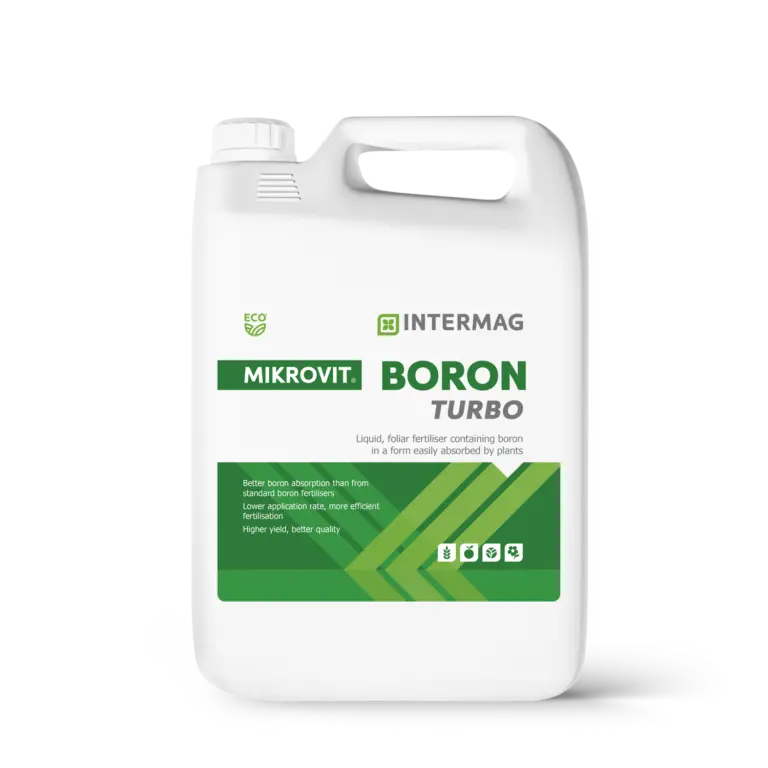
MIKROVIT® BORON TURBO
Liquid, foliar boron fertilizer containing 150 g of Boron in 1L
VIEW DETAILS →
Plant Products
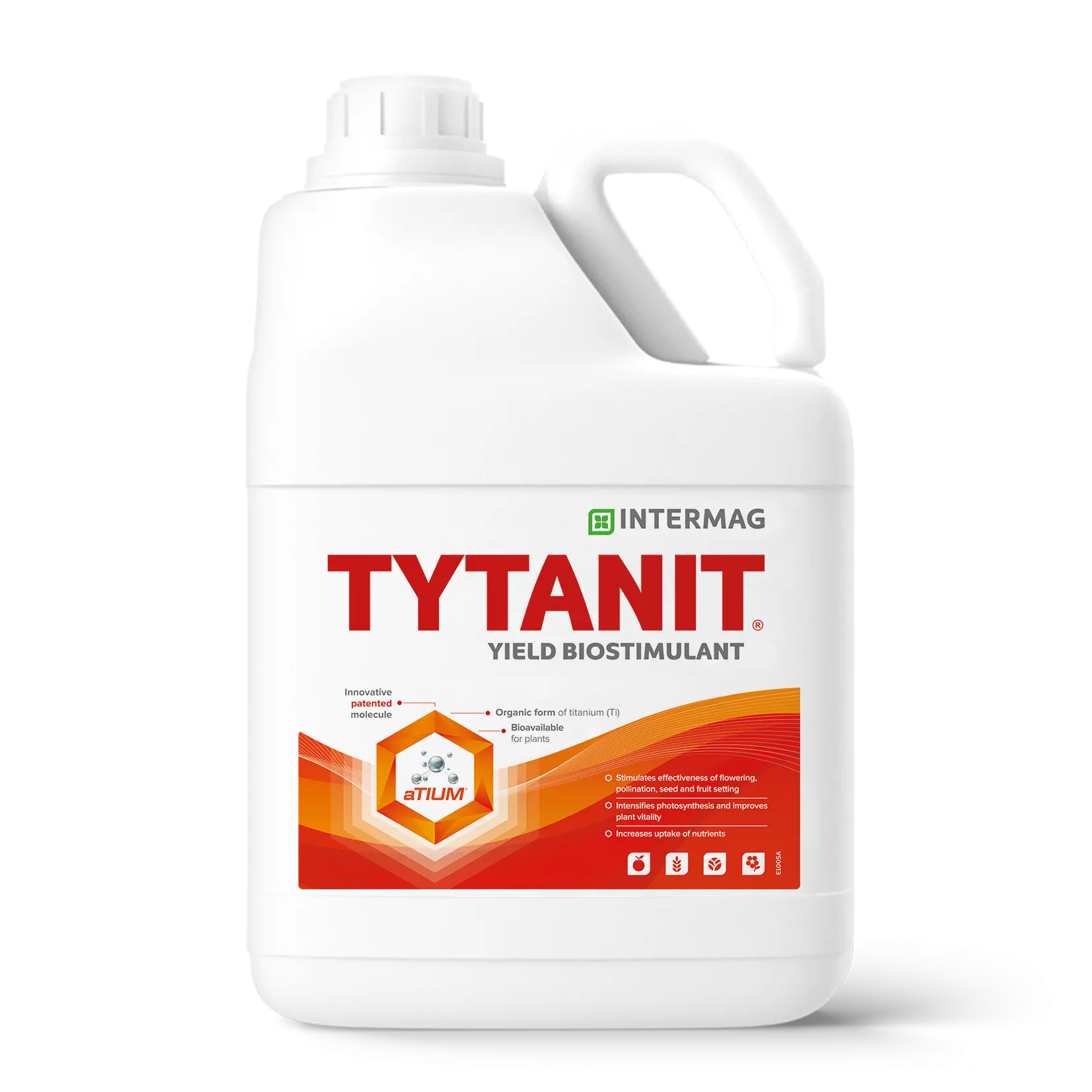
Tytanit
TYTANIT® is a patented growth biostimulant containing TITANIUM (Ti) in a form of unique molecule aTIUM®, what ensures it’s high effectiveness.
VIEW DETAILS →
Plant Products
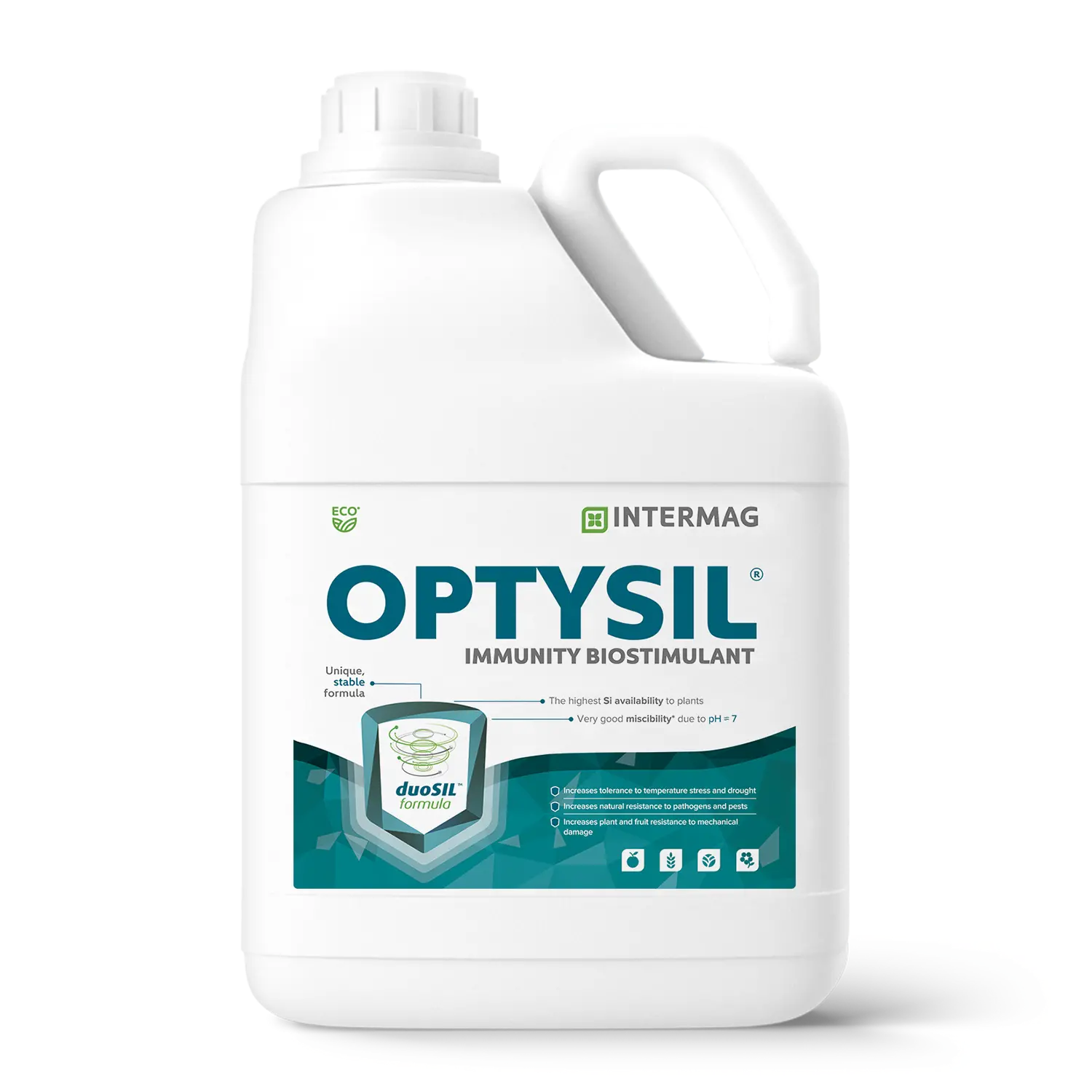
OPTYSIL
OPTYSIL® is an innovative silicon immunity biostimulant, containing active silicon form, which owes its effectiveness to unique formula duoSIL™
VIEW DETAILS →